

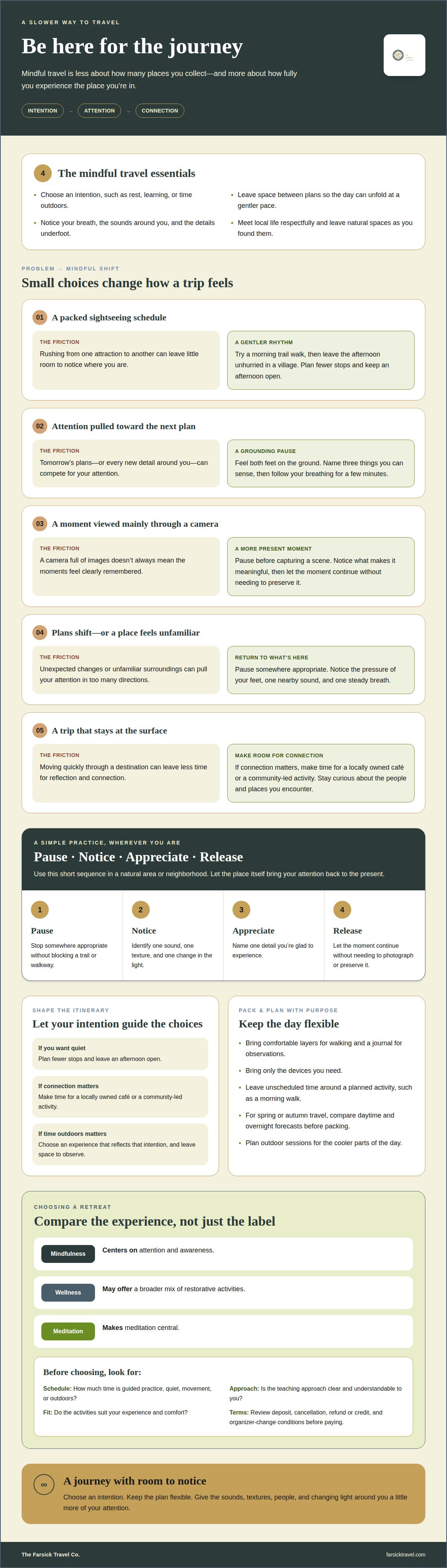
What if the most memorable part of a trip isn’t how much you see, but how fully you’re there? Mindfulness travel experiences make room for present-moment awareness: noticing the path beneath your feet, listening to a village wake, and meeting each moment without rushing toward the next. The intention isn’t to perfect a journey. It’s to experience it with greater attention.
You may know the feeling of returning from a trip with a camera full of images but few moments you can recall clearly. A slower rhythm can change that: choose an intention before you leave, leave space between plans, and stay curious about the people and places you encounter. Small choices can change how a journey feels.
This article explores what mindful travel means and how awareness can support reflection, connection, and more meaningful experiences. You’ll find practical ways to bring it into your itinerary, from quiet morning walks and unhurried afternoons to packing thoughtfully and respecting the places you visit.
Key Takeaways
- Set a personal intention before you travel, then use it to shape the pace and choices of your journey.
- Practice present-moment awareness by noticing your breath, the sounds around you, and the details you might otherwise pass by.
- Make room for reflection, especially when unfamiliar places or unexpected emotions invite you to see things differently.
- Choose unhurried time with local people and communities, and travel with respect for the places you visit.
- Build a more mindful itinerary with quieter moments, flexible plans, and experiences that match what you want from the journey.
1. What is mindful travel?
Mindful travel is an intentional way to move through a destination, noticing what is happening instead of rushing from one attraction to another. It combines purpose with awareness: choose an adventure that reflects your values, engage respectfully with local life, and leave natural spaces as you found them. For example, a morning trail walk followed by an unhurried afternoon in a village creates more room for observation than a packed sightseeing schedule. The focus is how you travel, not how many places you collect.
Set a travel intention before leaving home. First, name what you hope to make space for, such as rest, learning, or time outdoors. Then turn that intention into a practical choice: if you want quiet, plan fewer stops and leave an afternoon open. If connection matters, make time for a locally owned café or a community-led activity. An intention isn’t a rigid itinerary; it’s a compass for making choices when plans shift.
Mindfulness retreats, wellness resorts, and meditation retreats can overlap, but they emphasize different experiences. A mindfulness retreat centers on attention and awareness, while a wellness resort may offer a broader mix of restorative activities; a meditation retreat makes meditation central. Compare the daily schedule, level of structure, and time for independent reflection to see which best suits your intention.
When choosing a retreat or instructor, look for a clear schedule, a teaching approach you understand, and activities suited to your experience and comfort. Check how much time is devoted to guided practice, quiet, movement, or outdoor experiences. For example, someone new to meditation may prefer an introductory session and opportunities to ask questions. A retreat description should make its format and expectations easy to understand.
Booking, cancellation, and refund rules depend on the retreat’s stated terms. Before paying, read the conditions for deposits, cancellation deadlines, refunds or credits, and organizer-initiated changes. Save the terms with your confirmation. These details matter because lodging, activities, and the overall package may have different policies.
Across the United States, a fitting retreat destination depends on the landscape and rhythm you want. Consider wooded trails for shaded walks, open terrain for a sense of space, or a coastal area for time near the water. For a spring or autumn trip, compare daytime and overnight forecasts before packing, since temperatures can shift between a sunny afternoon and a cool evening. Plan outdoor sessions for cooler parts of the day, and check whether lodging, meals, meditation, yoga, or guided nature walks are included.
To prepare, match your packing and plans to your intention. Bring comfortable layers for walking, a journal for observations, and only the devices you need. Leave unscheduled time around a planned activity, such as a morning walk, so you can pause, notice the place, and adjust your pace.
2. Mindfulness and present-moment awareness
Mindfulness means bringing attention to what is happening now, without immediately judging or trying to change it. On a trail in the United States, notice your boots pressing into gravel, wind moving through pine needles, and the next turn in the path. When your attention wanders to tomorrow’s plans, gently return it to one sound or sensation. The practice is simple, but it changes how you meet a place.
Try a brief grounding pause before beginning an activity. Stand still, feel both feet on the ground, and name three things you can sense: perhaps cool air, birdsong, and the scent of damp soil. Then spend a few minutes following your breathing. You don’t need to empty your mind; simply notice each inhale and exhale as it happens.
Grounding can also help when travel feels unfamiliar. At a busy station, for example, find a comfortable place to pause and focus on the pressure of your feet, the nearest sound, and one steady breath. This brings your attention back to the present instead of letting every new detail compete for it. On a quiet morning walk, use the same practice to settle into the landscape.
Gratitude adds another layer of awareness. Rather than rushing to capture a view, take a moment to notice what made it meaningful: warm light on a trail, a shared smile, or a cup of coffee after a cold walk. You might record one observation in a journal at day’s end. Be specific: “the cedar scent after rain” says more than “great day.”
Mindfulness also means noticing without clinging. A sunset will fade, a meal will end, and a conversation may not unfold as expected. Instead of demanding that a moment last, acknowledge what you feel and let it shift naturally. If disappointment arises when clouds cover a mountain, name it quietly, then notice what remains: the mist, the cooler air, or the sound of water nearby.
Try this short sequence during a visit to a natural area or local neighborhood:
- Pause: Stop somewhere appropriate without blocking a trail or walkway.
- Notice: Identify one sound, one texture, and one change in the light.
- Appreciate: Name one detail you’re glad to experience.
- Release: Let the moment continue without needing to photograph or preserve it.
These small practices make awareness portable. Use them before entering a museum, while waiting for a meal, or after an unexpected change in plans. Let the place itself be the prompt: bring your attention back to what is here, rather than what you expected to find.
Mindful meditation involves focusing quietly and continuously on the present for several minutes. On vacation, that might mean spending a few minutes focusing on your breathing. Traveling solo can also make you more aware of your experiences.
3. Travel as a catalyst for self-reflection and transformation
A change of scenery can make familiar habits easier to notice. On a quiet morning walk, observe what draws your attention: the route ahead, a message on your phone, or birdsong in the trees. That small observation can reveal how you respond to stillness, uncertainty, and unplanned time. Travel doesn’t create a new self; it can give you room to notice the one already there.
Give reflection a simple structure. At the end of a day in a new place, write down one moment that challenged you, one that brought ease, and one question you want to carry forward. For example, a solo lunch in an unfamiliar town might show whether you’re comfortable choosing your own pace. Keep your notes descriptive rather than turning each moment into a lesson. Meaning often emerges gradually.
Unexpected stress can become part of that reflection. A rain-delayed walk or a missed connection may bring frustration, worry, or disappointment. Pause, name the feeling, and respond with the care you’d offer a friend: find shelter, drink some water, and decide what matters next. Treating the emotion with compassion doesn’t mean pretending the problem is pleasant. It gives you a steadier place from which to respond.
For health, accessibility, and safety, match each activity to your needs, energy, and comfort. Before a trail walk, consider its surface, shade, elevation, and access to places to rest. Choose an alternative if those details don’t suit you.
New surroundings can also make personal patterns visible. If you usually fill every quiet moment, leave an afternoon open and observe what you choose to do. You might linger at a local market, sketch a street corner, or return to a riverside path. The point isn’t to force a breakthrough. It’s to meet your choices with attention and curiosity.
Keep the idea of transformation grounded in small, specific observations. After a conversation with a local guide, ask yourself what you learned about the place and which assumptions shifted. After a challenging hike, note which decision helped you continue, such as slowing your pace or taking a rest. These details can make a journey meaningful without demanding dramatic change.
When you return home, revisit your notes from the trip. Choose one insight to bring into your everyday routine, such as taking a phone-free walk or leaving more breathing room in your weekends. A mindful journey can prompt reflection, but its value often lies in how you carry that awareness into daily life.
4. Connection with locals and travel companions
Connection begins with attention, not a packed schedule. In a small-town market, pause to greet a vendor, ask about a seasonal ingredient, and listen to the answer without turning the exchange into a photo opportunity. Planeta.com defines conscious travel as traveling with conscience and connecting with others in a particular place. This idea makes each interaction a chance to meet a destination on human terms, with curiosity and respect.
Choose ways to spend that keep more of your visit rooted in local life. A locally owned guesthouse, neighborhood restaurant, or community-led walk can introduce you to people who know the area firsthand. Buy a craft directly from its maker, learn how it’s used, and follow their lead on photographing people or places. These choices can support local businesses and make an encounter feel more reciprocal than a quick stop.
Make room for conversation without expecting anyone to provide a cultural lesson. Learn a greeting before visiting, ask open questions when someone has time, and accept a brief answer graciously. If a local guide describes a landscape or tradition, listen before adding your interpretation. In a forest or coastal area, follow guidance about paths and wildlife, keep noise low, and carry out what you bring in.
Travel companions need the same care. Before a shared day, each person can name one priority, such as a quiet walk, a long meal, or time alone. Agree on a flexible plan that leaves room for different energy levels. If one person wants to linger at a village café while another prefers a trail, discuss the choice without treating either preference as a problem. A brief check-in can prevent small frustrations from shaping the whole day.
The New Economics Foundation’s Five ways to well-being model identifies taking notice, keeping learning, and connecting as pillars of psychological health. On a trip, those ideas can become practical habits: notice how a place sounds at dawn, learn a local craft from its maker, and share an unhurried meal with a companion. The feeling of connection often grows through repeated attention, not a single memorable event.
- Listen: Put your phone away during a conversation and give the other person your attention.
- Ask: Choose a respectful, open question, then let the person decide how much to share.
- Share space: Follow local guidance and leave trails, shorelines, and wildlife undisturbed.
- Check in: Ask companions what pace feels right before plans become tiring.
These small actions help you connect without forcing closeness. A quiet exchange with a shopkeeper, a thoughtful walk with a companion, or a locally guided visit can make a place feel less like scenery and more like a living community. Stay open to chance encounters while letting other people set the boundaries of the moment.
5. Applying mindfulness to travel experiences
Mindfulness becomes practical when you shape the day around attention, not accumulation. In a US mountain town, walk a quieter neighborhood in the morning, then leave the afternoon open for a local market or rest. Choose one anchor activity and give it room. A flexible rhythm makes it easier to notice changing light, street sounds, and the scent of food from an open kitchen.
Mindfulness travel experiences across the United States can include nature walks, yoga or meditation retreats, locally guided outings, museum visits, and slow explorations of neighborhood food cultures. Choose according to the kind of attention you want to bring: a forest trail invites observation, while a cooking class can introduce you to regional ingredients and traditions. Look for experiences that leave time to engage rather than rushing between stops.
Eating can become a grounding practice, too. At a seasonal restaurant, set your phone aside and notice the aroma, texture, and temperature of each bite. Try identifying the ingredients before asking what’s in the dish, then listen to how the cook describes it. This small pause can help you appreciate the labor and place behind a meal, while thoughtful choices support local businesses.
Use a camera with intention. For a day, try film photography, which encourages careful image choices because storage is limited. Or sketch a trailhead, a market stall, or the shape of a building. Either practice slows the impulse to document everything and draws your attention to details, such as weathered wood or shifting shadows, that a quick snapshot might miss.
What types of mindful travel experiences are available in the United States? Options include a quiet trail walk, a retreat with meditation or yoga, a self-guided museum visit, or a locally led food or craft experience. Choose a setting and pace that suit your interests, energy, and comfort.
Can you find affordable or free options nearby? Yes. A self-guided walk through a public neighborhood or green space can be a mindful outing; access costs depend on the location. Pack water, weather-appropriate layers, and a small notebook, then choose a quieter time of day to observe the place at your own pace.
Before you leave, make a simple plan: select one meaningful activity, leave unscheduled space around it, and pack only what supports the day. In natural areas, stay on established paths, respect wildlife, and carry out your waste. In communities, follow local guidance and ask before photographing people. These choices make presence practical and help reduce your impact.
Plan a mindful custom itinerary with The Farsick Travel Co.
The Farsick Travel Co.: Solo Travel Experiences
The Farsick Travel Co. offers Solo Travel Experiences for travelers who want a journey shaped around their own pace, interests, and sense of discovery. If you’re drawn to a quiet morning on a wilderness trail, a slow afternoon in a local town, or time to learn a new skill, thoughtful planning gives each experience room to unfold. Custom Travel Planning can bring those choices together in a cohesive itinerary, while Signature Hiking & Yoga Retreats and Skillcations offer focused ways to explore.
Consider this next step when you know what you want your trip to feel like, but need help shaping the details into a considered rhythm. Contact The Farsick Travel Co. to discuss custom travel planning, solo travel, a bespoke honeymoon, or an intentional group or bachelorette trip shaped around what matters to you.
Carry a More Present Way of Traveling Forward
Let mindfulness travel experiences begin with one choice you can carry into your next journey: decide what you want to make room for. Perhaps it’s a slower pace, a closer relationship with nature, or the freedom to explore alone. Keep that intention close as you shape your plans, and let it guide what you include and what you leave open.
If you’d like support turning that intention into a considered itinerary, The Farsick Travel Co. offers Custom Travel Planning, Solo Travel Experiences, Signature Hiking & Yoga Retreats, Skillcations, Bespoke Honeymoons, and intentional group or bachelorette trips. Each offers a different way to shape a journey around your interests, from independent discovery to time outdoors with room to slow down. Choose the next step that feels aligned with how you want to travel.
Give yourself permission to choose depth over a crowded schedule. A quieter path, a thoughtful exchange, or an unhurried morning can set the rhythm for a more meaningful journey.
Frequently Asked Questions
What is mindful travel?
Mindful travel means paying deliberate attention to how you experience a journey and how your choices affect its places and people. For example, at a historic site, read the posted guidance, move respectfully, and notice details beyond the main landmark, such as worn stonework or the sounds of the surrounding neighborhood. It’s a way to travel with care, rather than treating each stop as something to collect.
So, who is a conscious traveler?
A conscious traveler considers their impact and makes choices with the destination in mind. Planeta.com describes conscious travel as traveling with one’s conscience and connecting with others in a particular place. That might mean choosing a locally owned place to eat, following a guide’s directions around wildlife, or asking permission before taking someone’s photograph. It’s not about making every choice perfectly; it’s about approaching people and places with respect.
What are mindfulness travel experiences?
Mindfulness travel experiences are activities that invite you to engage with a place attentively, rather than rushing through it. A self-guided walk can become one when you notice changing sounds, pause to sketch a doorway, or leave your phone in your bag for part of the outing. A locally led craft lesson can also encourage focused attention. What defines the experience is the presence you bring, not a particular itinerary or retreat format.
Article by
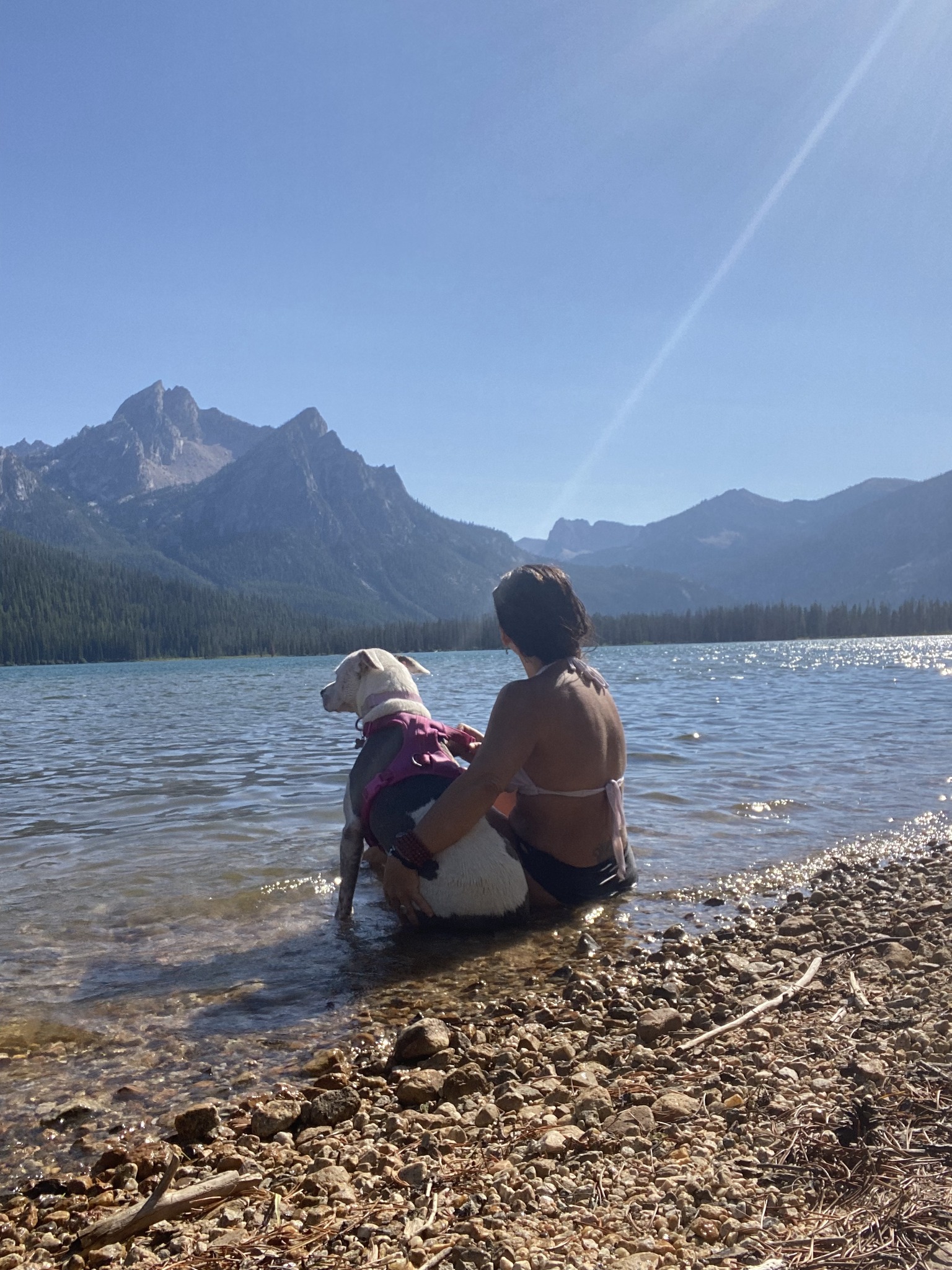
Ursula Akin
Ursula Akin created The Farsick Travel Co. to help travelers step away from rigid, multi-stop checklists and step into intentional, deeply rooted experiences. Specializing in custom travel design, solo escapes, and curated retreats, Ursula combines local insights with leave-no-trace ethics to turn wanderlust into seamless, unforgettable journeys.
Disclaimer
The information provided on this website and within our articles is for general informational and inspirational purposes only. While we make every effort to ensure accuracy regarding travel logistics, recommendations, and local details, conditions can change rapidly. Readers are encouraged to verify current travel requirements, weather, safety advisories, and local regulations independently. The Farsick Travel Co. is a travel design and curation service and is not responsible for any actions, changes, or incidents occurring during independent travel.


