

What if the most restorative time to travel is just before or after peak season? Spring and fall shoulder seasons often bring milder temperatures and fewer crowds, giving you more room to explore at an unhurried pace. The best stress relief vacation ideas start with a season and setting that let your days breathe.
A calmer escape doesn’t have to mean doing nothing. It might be a long walk through a quiet landscape, a personal retreat shaped around yoga or journaling, a geothermal soak after a day outdoors, or a few slow days on a secluded island. The difference is in the rhythm: fewer plans and more space to notice how you feel.
Here, you’ll find ways to choose a restorative break that suits you, along with practical ideas for timing your visit, avoiding the busiest hours, and packing for comfort. From leisurely travel to nature-led solitude, each approach makes room to pause, reconnect, and return feeling more settled.
Key Takeaways
- Choose spring or fall shoulder seasons for milder weather and a quieter pace, and give each destination enough time to settle in.
- Shape a personal retreat around gentle movement, meditation, or journaling, with space in the day for rest rather than a packed schedule.
- Pair time outdoors with a geothermal soak for a restorative change of rhythm, choosing a setting that suits the kind of escape you want.
- On a tropical island, seek quieter moments and mindful local experiences while respecting fragile natural spaces.
- Make your break easier to enjoy by limiting phone interruptions, packing for comfort, and leaving room to recover before returning to routine.
1. Mindfulness and wellbeing through leisurely travel
The best stress-relief weekend getaways in the United States pair a manageable journey with room to slow down. New Hampshire’s White Mountains offer fall leaf-peeping and winter cabin stays, while Door County, Wisconsin, invites small-town wandering beside Lake Michigan. Choose one base, leave space between outings, and let a morning walk set the day’s pace. A quieter schedule makes it easier to notice birdsong, changing light, and the feel of the air.
For an outdoor escape, New Hampshire’s White Mountains and Door County offer ways to spend time in nature without packing the itinerary. Door County has five state parks and hundreds of miles of Lake Michigan shoreline, with options for a quiet trail or a waterside pause. Visit popular outdoor areas early, stay on marked paths, and give wildlife space. A simple picnic or a slow afternoon in town can balance a morning hike.
Slow travel in the United States can center on small-town charm rather than a long list of stops. In New England, an autumn stay might pair a gentle walk beneath changing leaves with an unhurried afternoon at a local café. Door County offers another pace, with time to explore a community and shoreline without crossing the region each day. These are practical stress relief vacation ideas because fewer transfers leave more time to settle in.
Spring and fall shoulder seasons often bring milder temperatures and fewer crowds. Off-peak travel can mean quieter streets and beaches, making it easier to pause for lunch or explore at your own pace. Consider staying 2 to 3 nights in each place instead of moving every morning. In a small town, that time can turn a quick stop into a familiar café, a favorite walking route, and a deeper connection with local life.
A professional travel planner shapes the route around your preferred pace, then coordinates stays and activities into a coherent itinerary. Useful details to share include your travel dates, starting point, interests, mobility needs, preferred daily rhythm, and what helps you unwind. For example, someone who enjoys watching morning light but dislikes crowded attractions needs a different schedule from someone seeking a full day outdoors.
Long transfers, overfilled days, peak-season crowds, and frequent lodging changes can make travel feel demanding. Reduce those pressures by choosing fewer stops, allowing unplanned time, and visiting busy places early or during shoulder seasons. Pack comfortable walking shoes and a light layer for changing temperatures. A relaxing itinerary isn’t empty; it gives each place, from the White Mountains to a Lake Michigan town, enough time to leave a lasting impression.
2. Creating a personal retreat with yoga, meditation, or journaling
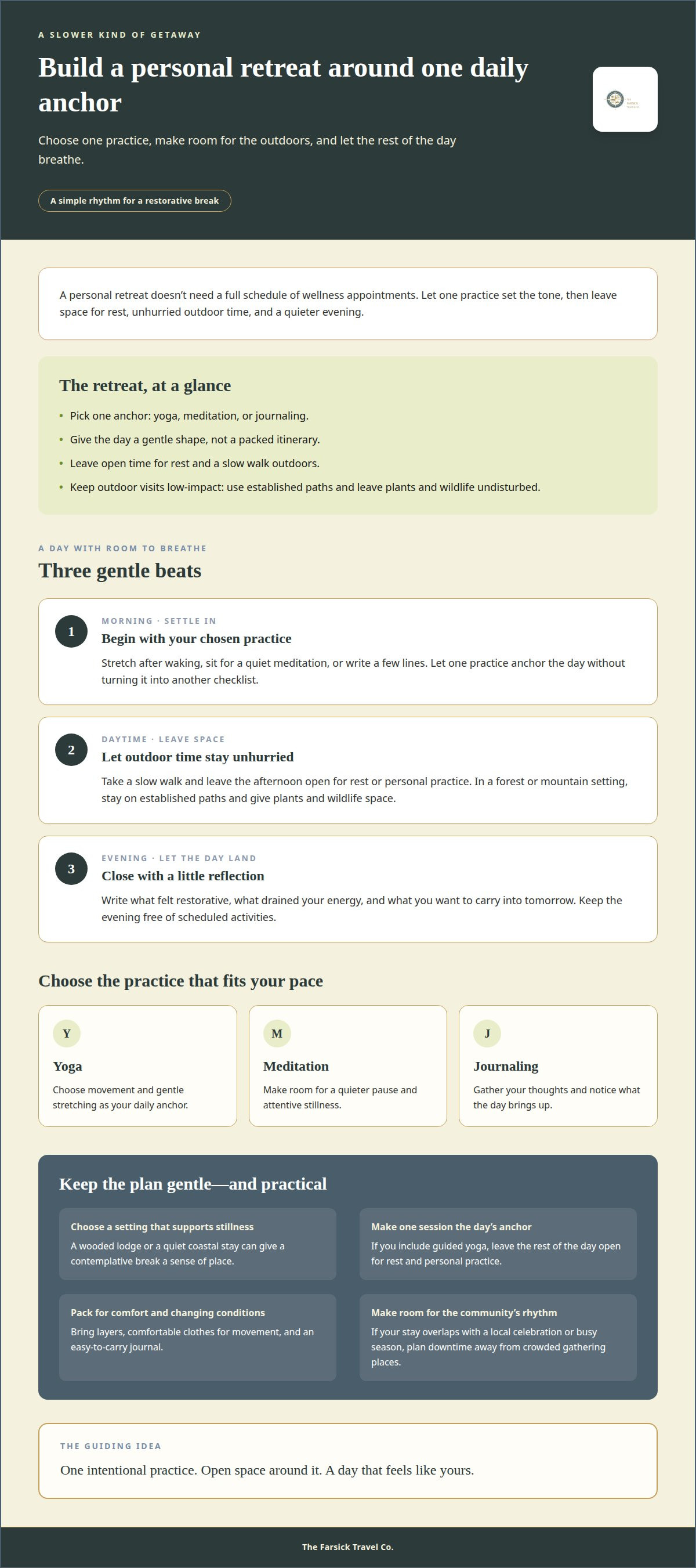
A personal retreat works best when one practice anchors the day, rather than filling every hour with wellness appointments. Choose yoga for movement, meditation for quiet attention, or journaling to gather your thoughts. Then create a simple rhythm: a gentle morning practice, open time outdoors, and an evening without scheduled activities. For example, stretch after waking, take a slow walk, and write a few lines before dinner. That structure gives a getaway intention while leaving room to notice what you need.
Yoga and meditation can complement each other without competing for attention. A short stretch after waking may help you arrive in your surroundings; a seated meditation later can offer a quieter pause. Journaling gives the day a place to land: note what felt restorative, what drained your energy, and what you want to carry into tomorrow. A notebook and comfortable clothes keep the practice simple, whether you’re staying near forests or in a quiet small town.
Across the United States, a retreat can take shape in a setting that supports stillness, from a wooded lodge to a quiet coastal stay. Keep the schedule light: make one guided yoga session the day’s anchor, then leave time for rest and personal practice. If your retreat overlaps with a local celebration or busy season, plan downtime away from crowded gathering places and respect the rhythms of the community.
A mountain or forest setting can make a contemplative getaway feel distinct from an everyday routine. For a shorter stay, choose one morning practice, leave the afternoon open, and make journaling part of a calm evening. Pack layers for changing conditions, comfortable clothes for movement, and an easy-to-carry journal. Keep outdoor time low-impact by staying on established paths and leaving plants and wildlife undisturbed.
The cost of a wellness or spa vacation depends on destination, length, lodging, and included activities. For custom travel planning, the price is provided after a quote request and reflects the trip’s details.
When choosing a retreat, look for an itinerary that reflects your preferred pace, experience, and balance of guided sessions with free time. A thoughtful plan should explain how yoga, meditation, or journaling fits into the days and setting, rather than promising a particular personal outcome.
A retreat can be worthwhile when its structure supports what you want from the break: movement, quiet, or less time on your devices. If you want guided movement alongside time outdoors, explore a custom hiking and yoga retreat shaped around your travel rhythm.
Long walks or hikes can help vacationers connect with nature and their thoughts at an unhurried pace. Banff is known for turquoise lakes framed by snowcapped peaks, with opportunities for hiking and paddling. In Bali, Nyepi lasts for a full day of silence, beginning at 6 am and continuing until 6 am the following day, with no TV, Wi-Fi, or planes departing Bali.
3. Hot springs and geothermal soaks
A geothermal soak can give a nature-focused trip a slower center. In the United States, more than 1,600 hot springs are on record, offering travelers different landscapes and travel rhythms to consider. Build the day around one soak rather than stacking excursions: spend the morning outdoors, leave the middle of the day open, then settle into warm water as evening sounds gather. The pause matters as much as the destination.
Pagosa Springs, Colorado, is noted in the Guinness Book of World Records as the world’s deepest geothermal hot spring. That distinction offers a clear starting point for planning a trip centered on geothermal water. Give the visit room to breathe: arrive without a crowded schedule, allow time to settle into the setting, and leave the rest of the day open instead of rushing to another attraction.
With hot springs found across the United States, choose a destination by considering its surroundings as well as the water. A spring near mountain terrain might pair with a gentle walk; a stay close to a town could leave room for a relaxed meal and local conversation. Decide whether you want a quiet natural setting or a day with nearby activities. That choice helps shape a restorative itinerary without unnecessary transfers.
Timing can shape the feeling of a soak. Visit early or later in the day for a quieter experience, and reserve busier hours for a walk or meal. Seasonal conditions influence the surrounding nature, from cool air against warm water to changing light across the landscape. Pack layers, comfortable walking shoes, and a dry change of clothes. Keep your schedule flexible so weather shifts don’t turn a restful day into a race.
Geothermal water is sometimes described with language of healing, but a vacation should promise a meaningful pause, not a medical result. Notice the mineral scent, the sound of water, and the contrast between the spring and the air. Put your phone away during the soak, follow posted site guidance, and avoid disturbing nearby plants or wildlife. Respectful attention helps protect the setting and makes the experience feel more connected to place.
Hot springs can also anchor a longer United States journey. Plan a soak day with one nearby outing, then leave enough time to return without rushing. Before you go, check seasonal conditions at your destination and pack for both the water and surrounding terrain. Whether you choose Pagosa Springs or another geothermal destination, let the soak mark a deliberate pause in your travel rhythm, with room to rest before the next day begins.
4. Secluded tropical islands
A tropical island can feel peaceful when the itinerary leaves room for quiet, not just beach activities. On La Digue in the Seychelles, explore quieter stretches of coastline and small village paths instead of centering the day on the busiest beaches. Build the day around one experience, then leave the afternoon open for rest. The coastline feels more present when you have time to notice morning light on the water, the steady hush of surf, and warm sand underfoot.
On La Digue, set out early for a walk, when the air is cool and village paths are quieter. Bring a warm layer for the morning, then leave time afterward for breakfast and a slower return. If you swim or snorkel, choose calm conditions and move gently through the water. Observe marine life without touching or chasing it, and keep your distance from wildlife. That mindful approach lets an island day stay restorative.
Rather than making the Maldives’ nearly 1,200 tiny coral islands the focus, consider a quieter island in the Seychelles. Choose a setting that suits your preferred rhythm. You might spend a morning on the beach, take a quiet break during the brightest part of the day, then return outside as the light softens. Leave space for meals and unplanned moments, rather than turning every hour into an activity.
La Digue, one of the Seychelles’ 115 islands, can inspire a slower island itinerary built around local encounters and time outdoors. Plan a simple day with a beach visit, a leisurely meal, and a stretch of unstructured time. Ask before photographing residents, follow local guidance, and leave beaches as you found them. Those small choices make a trip more thoughtful and help protect the places that draw travelers there.
To avoid crowds, visit popular beaches early or later in the day, then choose a quieter activity during busy hours. Keep plans flexible: wind, cloud cover, and changing sea conditions can affect whether snorkeling or a beach walk feels right. Pack sun protection, water, comfortable walking shoes, and a light layer. A small, practical day bag makes it easier to move between shore, village, and lodging without carrying more than you need.
Island travel can also mean resisting the urge to fit in every excursion. Choose experiences that connect you with a place, such as a locally guided walk or a meal made with regional ingredients. On La Digue or a quieter Seychelles island, ask about respectful ways to enjoy nearby natural areas, and follow local advice. Fewer plans leave more attention for warm sand, salt air, and the unhurried rhythm of island life.
5. Taking a break from everyday stress
A restorative break begins with fewer demands on your attention. Try stepping outside for a 20-minute walk, leaving your phone on silent, and noticing details such as birdsong or changing light. That small pause can help you connect with nature without turning the day into another list of tasks.
Beach, nature, and city vacations can all feel restorative; the best fit depends on what helps you unwind. A quiet beach suits travelers who relax near water, while a forest trail offers movement and birdsong. A city stay can work well too, especially with a calm neighborhood, a local café, and one unhurried museum visit.
For an affordable break in the United States, consider a day trip or simple overnight close to home. Choose a nearby trail, public garden, or small town, then build the day around one walk and a relaxed meal. Traveling during spring or fall shoulder seasons can bring milder temperatures and fewer crowds at many destinations.
New York Botanical Garden offers a nature-focused city outing across 250 acres, with 11 distinct plant habitats. Arrive in the morning for a quieter start, choose a manageable route, and leave time to sit among the trees. In San Francisco, nearly 100 rare magnolias bloom at the Botanical Garden from mid-January through March, offering a seasonal reason to plan a gentle visit.
For a more active reset, choose hiking that matches your energy rather than chasing every national landmark. A 1.5-mile route, such as the Makapuʻu Point Lighthouse Trail in Hawaii, can give a morning structure without requiring a full-day expedition. Bring water, comfortable shoes, and a layer for changing conditions; stay on marked paths and give wildlife room.
Remote places can help create a low-key getaway, but the itinerary still matters. A mountain lodge, a quiet stretch of coast, or a small-town stay can feel demanding if every hour is scheduled. Leave open space after arrival, switch off nonessential notifications, and consider a couple of buffer days after travel before returning to work. You’ll have more room to settle in when the journey has fewer transitions. For a break centered on time outdoors and a gentler pace, explore custom nature and adventure itinerary planning.
Keep the restorative goal in view when choosing a trip: more frequent, shorter vacations may be more effective than longer trips for easing stress and boosting health. A remote location, such as a mountain lodge, can support a low-key vacation, while quiet sleep matters too. Turning off alarms and closing the curtains can support restorative sleep during a quiet vacation. To reduce interruptions, turn off your phone or use Do Not Disturb.
For an outdoor-centered trip, the author recommends a 4 or 5-day hike on a quieter wilderness trail; the plan can still leave space for rest rather than making each day another task. These examples point toward choosing activities that suit your idea of unwinding, whether that means walking, resting, or arranging a massage. Keep the schedule flexible and let the quiet parts count as part of the vacation.
The Farsick Travel Co.
The Farsick Travel Co. shapes restorative trips into custom itineraries with a thoughtful rhythm. If you’re considering a nature escape, solo journey, retreat, honeymoon, or group celebration, its planning can bring the experience together around your interests and preferred pace.
Custom Travel Planning, Signature Hiking & Yoga Retreats, Solo Travel Experiences, and Skillcations offer different ways to make a trip feel purposeful. Proposal & Honeymoon Planning and Bachelorette Party Planning can shape meaningful celebrations with room for connection and unhurried time.
Share what you hope the break will feel like, along with the places and experiences that draw you in. Contact The Farsick Travel Co. to begin planning a restorative escape.
Choose the kind of rest you want to bring home
Before you plan, name the feeling you want to carry back into everyday life: steadier, more curious, or more connected. That intention can guide the pace, setting, and shape of your trip. The most useful stress relief vacation ideas aren’t defined by how far you travel, but by whether the days leave room for what restores you.
Think about what makes a day feel manageable. Perhaps it’s a slow morning, one meaningful activity, and an evening without notifications. Share those preferences alongside the landscapes and experiences that draw you in. They can help shape a trip around your own rhythm, rather than a packed schedule built around seeing everything.
The Farsick Travel Co. offers Custom Travel Planning, Signature Hiking & Yoga Retreats, and Solo Travel Experiences for travelers looking for a more considered escape. Each can provide a starting point for shaping travel around your interests and the kind of pause you need.
Your next restorative journey can begin with one clear intention and space to follow it.
Frequently Asked Questions
When Is the Best Time to Visit Destinations for Rest and Rejuvenation?
Spring and fall can be good times for restorative travel, as shoulder seasons often bring milder weather and fewer visitors. The best dates also depend on local climate and the atmosphere you want: a cool woodland stay may suit a different season than a warm-coast retreat. Leave space between arrival and your first planned activity so the journey itself doesn’t begin in a rush.
What types of vacations are best for stress relief?
The best fit is the trip format that eases your main source of strain. If constant decisions feel tiring, choose one base and a lightly planned daily rhythm; if you feel restless, add gentle hiking or a creative skillcation. A solo escape can create quiet, while a retreat offers shared structure. The right stress relief vacation ideas leave room to rest without making relaxation another task.
Article by
Ursula Akin
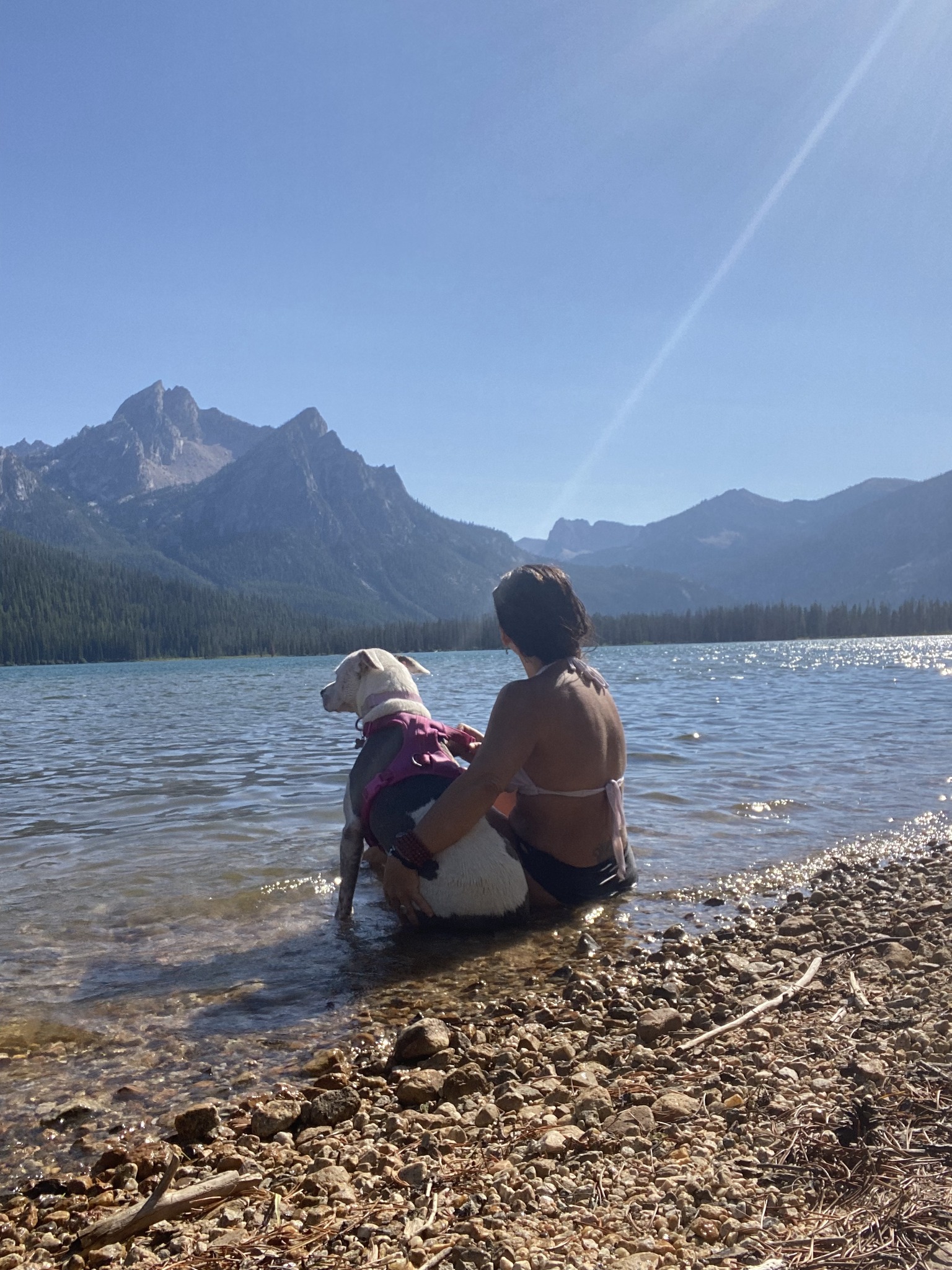
Ursula Akin created The Farsick Travel Co. to help travelers step away from rigid, multi-stop checklists and step into intentional, deeply rooted experiences. Specializing in custom travel design, solo escapes, and curated retreats, Ursula combines local insights with leave-no-trace ethics to turn wanderlust into seamless, unforgettable journeys.
Disclaimer
The information provided on this website and within our articles is for general informational and inspirational purposes only. While we make every effort to ensure accuracy regarding travel logistics, recommendations, and local details, conditions can change rapidly. Readers are encouraged to verify current travel requirements, weather, safety advisories, and local regulations independently. The Farsick Travel Co. is a travel design and curation service and is not responsible for any actions, changes, or incidents occurring during independent travel.


