

What if planning your early 2027 escape now made the trip feel lighter, not like another task on your list? It’s understandable to wonder whether you’re getting ahead of yourself or to feel unsure which decision deserves your attention first. The idea behind It’s Not Too Early: Why Planning Your Early 2027 Escape Now Saves Your Sanity is simple: a little space to think protects room for intention, not just room on the calendar.
You don’t need to map every day today. Start with what you want the escape to give you: quiet on a trail, time to learn something new, or unhurried afternoons rooted in local life. Then consider the season and your preferred pace before shaping the itinerary around a few meaningful experiences. Beginning months ahead gives you more room to coordinate the details thoughtfully. This guide will help you make decisions in a manageable order, identify the seasonal details worth researching, and shape an early 2027 getaway around your own sense of purpose. Early planning isn’t about filling the calendar. It’s about creating a calmer way toward the journey.
Key Takeaways
- Use “It’s Not Too Early: Why Planning Your Early 2027 Escape Now Saves Your Sanity” as a prompt to make thoughtful choices, not a reason to rush into bookings.
- Start by naming what you want from the escape, whether that’s restoration, time in nature, learning, solitude, or connection.
- Weigh the trade-offs of flexible or fixed dates, an active or restorative rhythm, and solo or shared travel.
- Work through the major decisions in a calm order, leaving smaller details to revisit closer to departure.
- Custom planning can bring your priorities together in a cohesive itinerary, from a solo retreat to a skillcation or intentional group trip.
Why Plan Your Early 2027 Escape Now? Make Space for Better Choices
If your days already feel full, thinking about an early 2027 trip might seem like one more thing to manage. You don’t need a finished itinerary or a stack of decisions today. Starting early can simply give you breathing room to work out what would make the escape meaningful before logistics feel urgent.
That’s the difference between planning a trip and racing through a checklist. A rushed plan can accumulate destinations and activities without considering how you want the days to feel. An intentional approach begins with purpose, pace, and connection: perhaps quiet time outdoors, a chance to learn a hands-on skill, or shared days with room for conversation. The details should support that purpose, not compete with it.
Early travel planning creates decision-making space before logistics feel urgent. It gives you time to reflect, compare possibilities, and shape a trip around the people taking it. It doesn’t guarantee a particular rate, reservation, or experience, so use the extra time to clarify what matters rather than assume every option will be available.
What can early planning actually make easier?
Begin with the choices that influence everything else: who’s going, what each person hopes to take away, and what kind of rhythm feels restorative rather than demanding. A solo traveler might want more unstructured hours; a group may need to talk through different energy levels and expectations. These conversations can shape the itinerary before its smaller details take hold.
Think of the early stage as a place for questions, not a booking checklist. You can sketch the broad idea of the concept of a travel itinerary, then let its components develop as your priorities become clearer. Exact activity times, meal plans, and transitions between plans can wait until you know what the trip is meant to support.
How to tell whether now is a useful time to begin
If you can name a rough window, a reason to travel, or one detail you don’t want to compromise on, you have enough to start. “A few quiet mornings outdoors,” “time to practice a new skill,” or “a week that isn’t packed from dawn to dusk” are all useful starting points. You don’t need to settle every date or destination to make progress.
- Choose a broad travel window. Note which part of early 2027 could work, even if the exact dates are still open.
- Name the purpose. Write down the feeling or experience you want the trip to make room for.
- Set a few non-negotiables. These might include a gentler pace, time outside, or space to explore independently.
The point isn’t to put every choice on today’s to-do list. A little reflection now can help you make better choices later, with less pressure and more room for the experience you actually want.
Shape the Escape Before the Itinerary: Purpose, Season, and Pace
An intentional escape begins with what you want to feel and experience, not how many places you can fit into a day. Perhaps you need restoration, time in nature, the focus of learning a new skill, solitude, or shared time with people you love. Naming that purpose helps you choose a season and pace that support it, rather than letting a list of activities make the decisions for you.
Try completing this sentence: “I want to come home feeling…” Your answer might point toward quiet mornings, a physical challenge, or space for meaningful conversation. Keep that phrase nearby as you explore possibilities. Planning early gives those preferences room to guide the shape of the trip.
Choose a season by the experience you want
Season changes more than the temperature. It can affect daylight hours, trail conditions, the feel of a landscape, and how long you’ll want to stay outdoors. Longer days may suit an active itinerary; cooler conditions or shorter daylight may make a gentler pace more appealing. Seasonal patterns vary by destination, so once you have a place in mind, research its typical weather, daylight, and current guidance for outdoor conditions.
Consider the setting you’d enjoy moving through: crisp air on a morning walk, warm light lingering into the evening, or a quiet, rain-softened afternoon indoors. If fewer visitors are part of the appeal, look at periods outside the busiest travel windows and plan popular outdoor visits for earlier or later in the day. These choices can help you seek a quieter experience, but they can’t guarantee smaller crowds or access to a particular activity.
Give the trip a rhythm that leaves room to be present
A day can hold one anchor and still feel full. Picture a morning walk at a pace that lets you notice birdsong and the shift in light, followed by an unhurried afternoon in a local community. Choose respectful, locally rooted ways to spend that time. In natural spaces, follow local guidance, stay on appropriate paths, leave no trace, and give wildlife room.
Fewer transitions can make space for rest and genuine connection. Instead of crossing from one activity to another all day, ask whether each planned stop adds something important to the trip’s purpose. A slower structure isn’t a rule; it’s a choice that can help you notice more of where you are.
For ideas on designing days around connection rather than a packed checklist, explore slow travel planning for rhythm and connection. The pace of an itinerary should reflect the purpose of the trip, not the number of stops you can squeeze in.
Once you have a purpose, seasonal preferences, and a rough sense of rhythm, custom planning can bring those threads together in a cohesive escape. Start shaping a custom travel itinerary around the way you want to spend your days.
Early 2027 Escape Decisions: Compare the Trade-Offs Before You Commit
Before settling on dates or activities, look at the choices that shape the whole experience. There’s no universally right format: flexible dates can leave more room to adapt, while fixed plans can help you protect a particular window. An active itinerary may bring energy and challenge; a restorative one can make quiet the main event. The useful question is which trade-offs fit your priorities.
Try ranking what matters most: time outdoors, cultural connection, learning, recovery, or time with others. Choose your top two, then use them to weigh the options below. This makes early planning a practical way to think about fit, rather than pressure to decide everything at once.
| Choice | What it can make easier | What to consider |
|---|---|---|
| Flexible dates | More room to explore different itinerary possibilities. | You may need to stay open about the exact travel window. |
| Fixed dates | A clear frame for coordinating time away and essential experiences. | Prioritize seasonal conditions and the experiences that matter most. |
| Active pace | More time for movement, outdoor challenges, or hands-on learning. | Build in pauses so each day doesn’t become a test of endurance. |
| Restorative pace | More room for rest, reflection, and unhurried time. | Decide which activities add meaning without crowding the day. |
| Solo travel | Freedom to follow your own interests and daily rhythm. | Plan for the balance of independence and connection you want. |
| Shared travel | Space for shared memories and experiences. | Make room for different energy levels and individual downtime. |
Flexible dates or fixed dates: what changes in the planning?
A flexible window can widen the range of itinerary choices you consider, including which seasonal experiences best match your priorities. It doesn’t promise lower costs or better availability. If your dates are fixed, identify the essential experience and any seasonal conditions it depends on. Then shape the rest of the trip around that anchor instead of trying to preserve every possible option.
One journey, different ways to experience it
A nature-led escape might center on time outside, with active mornings and slower intervals to rest and notice the landscape responsibly. A learning-focused trip might give a skill or local exchange more space, while a restorative journey could keep the schedule deliberately light. Each has a different center of gravity.
Travel companions influence the daily rhythm, too. Solo travelers may prefer the freedom to change plans; couples might want a balance of shared experiences and personal breathing room; groups often benefit from agreeing on a few shared priorities while leaving some time unscheduled. Custom itinerary design can bring those preferences into a coherent plan without flattening everyone’s needs into a checklist. The Farsick Travel Co. offers custom travel planning to help shape an itinerary around them.
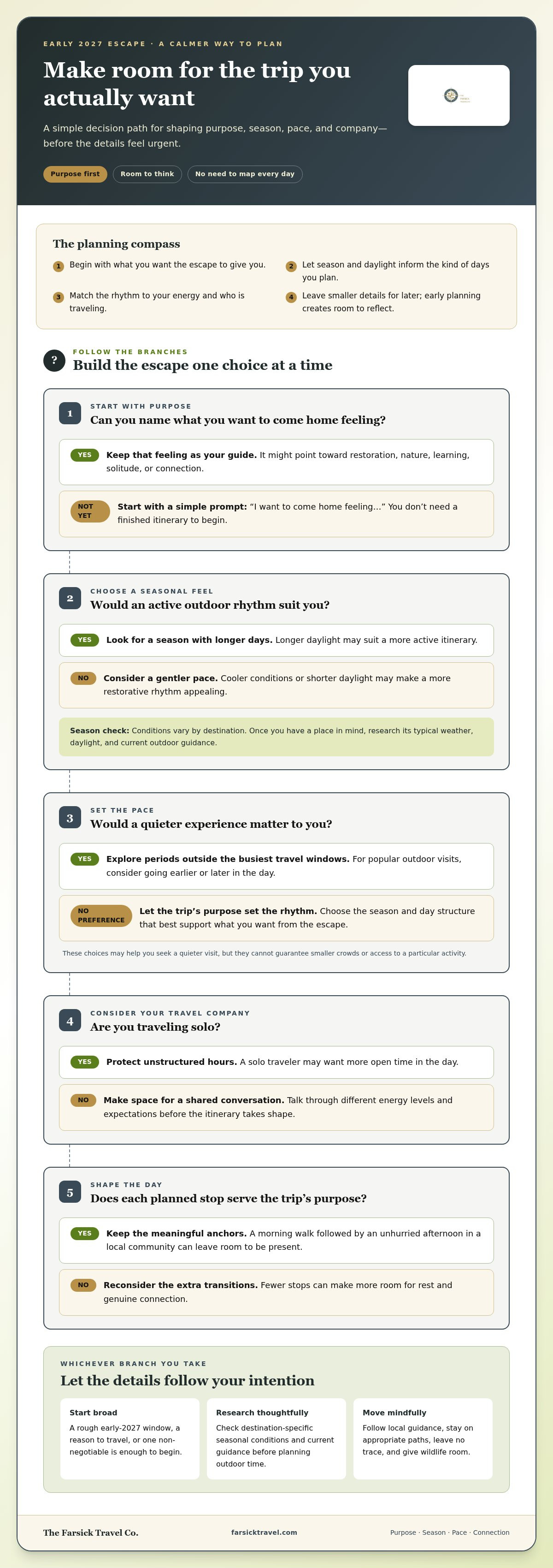
A Calm Planning Sequence for Your Early 2027 Trip
Planning gets easier when each decision has its moment. You don’t need to turn an early idea into a complete day-by-day schedule. Use a loose sequence instead: settle the purpose first, then let dates, seasonal details, pace, and logistics take shape around it. That’s the practical value of starting early.
- Clarify the purpose. Write a short phrase describing what you want the trip to make room for, such as time outdoors, learning, rest, or connection.
- Outline a likely travel window. Note the dates that might work, who is traveling, and any limits that could shape the plan.
- Consider the season. Once you have a destination in mind, research its typical weather, daylight, and conditions for the activities you care about.
- Shape the pace. Decide how much of each day you want to spend active, resting, or open to unplanned discoveries.
- Coordinate the logistics. With the trip’s priorities clearer, bring together the practical details that support the experience.
What to decide now, and what can wait
Start with the decisions that influence the whole trip: its purpose, likely window, travelers, and essential experiences. These are useful anchors, not a signal that every detail must be settled immediately. A short planning note can keep the idea clear without becoming another project to maintain.
Leave details that depend on the trip’s final shape open for now. The exact order of activities, what to pack for each day, and how much time to leave between plans may become easier to judge once the destination, season, and itinerary are clearer. Revisit them as conditions and preferences come into focus.
Build in seasonal and on-the-ground details
After choosing a destination, look up current local guidance on daylight and typical seasonal conditions. Use it to decide whether an outdoor activity may fit better in the cooler morning hours or later in the day, when the light and temperature can feel different. For a more attentive experience, consider visiting popular natural areas at quieter times, while remembering that crowd levels and access can vary.
Pack for the activities and conditions you’ve researched, not for an imagined perfect forecast. Adaptable layers, weather-appropriate footwear, and low-impact essentials suited to your plans can help you move comfortably while caring for the places you visit. For time outdoors, bring a reusable water bottle and carry out everything you bring in.
Keep the planning note short: purpose, date window, seasonal questions, preferred rhythm, and a few essentials. Once you have those priorities, use a travel-planning conversation to explore how they might come together in a custom itinerary.
Turn Early Ideas into a Thoughtful Escape with The Farsick Travel Co.
By now, you may have a clearer sense of what you want from your early 2027 escape, even if the destination or day-by-day details are still taking shape. Custom planning turns those pieces into a cohesive itinerary, connecting your purpose and preferred pace with experiences that belong together. The aim isn’t to fill every hour. It’s to make the practical details support the kind of trip you want to have.
When a custom itinerary can help
Tailored planning can be useful when you’re balancing several priorities, traveling with people who move at different speeds, or bringing a specific interest into the heart of the journey. A solo escape might pair independent exploration with considered opportunities for connection. A signature hiking and yoga retreat can make space for movement and restoration, while a skillcation can give learning a natural place in the daily rhythm.
For a honeymoon, proposal, or bachelorette trip, the details should reflect the people and milestone being celebrated, not a one-size-fits-all template. An intentional group itinerary can balance shared experiences with unstructured time, so everyone has room to settle into the trip in their own way.
The Farsick Travel Co. creates personal itineraries around your interests, practical constraints, and preferred rhythm. High-touch coordination brings transport, accommodations, and activities into the same considered plan, so each element supports the experience rather than feeling like a separate task.
Start with the feeling you want to bring home
You don’t need a polished brief to begin. A few honest notes can give the planning conversation direction:
- Connection: What kind of local interaction or shared experience would feel meaningful to you?
- Rest: How much open space do you want between planned activities?
- Learning or adventure: Is there a skill, landscape, or activity you want the trip to center on?
- Practical needs: What travel window, pace, or personal constraints should shape the plan?
These are useful starting points, not commitments to a rigid schedule. The early idea can evolve as your priorities become clearer. Thoughtful preparation gives your plans room to become personal, purposeful, and genuinely yours.
When you’re ready, share what you hope to feel, learn, or experience, and begin shaping a custom journey with The Farsick Travel Co.
Give Your 2027 Escape Room to Take Shape
Your next step doesn’t need to be a reservation or a fully formed plan. Let it be a small act of attention: write down what you’d like more of in your life when you return. Perhaps it’s a steadier sense of calm, a new skill, time outdoors, or the feeling of having shared an experience that mattered. That thought can become a compass as the trip takes shape.
Planning early is a reminder that thoughtful preparation can start gently. Keep the idea open enough to evolve, but clear enough to guide your choices. When you’re ready, The Farsick Travel Co. can help turn that first intention into a personal travel experience designed around what matters to you. Take the next step and plan a custom escape shaped around your pace and purpose.
Let the journey begin with one honest idea, then give it the time and care to grow.
Frequently Asked Questions
Is it too early to plan an early 2027 escape in 2026?
No. Beginning with broad priorities is different from locking in every detail. Use this time to consider why you want to travel, roughly when you might go, and how full or spacious you want the days to feel. You can leave the destination, activities, and schedule open while you reflect. Start with direction, not pressure.
Can I start planning if my travel dates are not final?
Yes, a tentative window is a useful starting point. Note the likely length of the trip, any work or family dates you need to avoid, and whether your plans can shift by a few days. Keep a simple record of what’s firm and what’s still flexible. You might know the trip needs to happen in early 2027 but not yet know which week. Revisit the outline as your dates clarify.
What should I tell a custom travel planner before we begin?
Share what you hope the trip will offer, who’s traveling, your preferred pace, your interests, and your practical constraints. Be candid about energy levels, comfort needs, and activities you’d rather avoid. If one traveler loves early starts while another needs a slower morning, say so. It’s also helpful to describe what you’d like to bring home from the experience, such as a new skill, restored energy, or a stronger sense of connection.
How can I make an early 2027 trip more meaningful than a checklist vacation?
Choose one central intention, then give it room in the schedule. If your aim is cultural connection, allow time for a thoughtful conversation or a locally guided experience instead of rushing between landmarks. For a nature-focused trip, follow local guidance, stay on appropriate paths, and give wildlife space. Meaning often comes from noticing and engaging with care, not from covering the most ground or collecting the most activities.
What if my travel plans change after I start planning?
Plans can change as your circumstances, energy, or interests shift. Treat the early outline as a working direction, not a promise to follow every idea. Separate the elements that matter most from optional details, such as an extra activity or a particular daily routine. If something changes, return to your priorities and adjust the plan around them. Any specific arrangements remain subject to their own terms and conditions.
How do I plan around seasonal conditions without choosing a destination too soon?
First identify the conditions that would suit your trip, such as milder temperatures, longer daylight, or time outdoors. Use these preferences to narrow the kind of setting or season you’re seeking without naming a destination yet. Once a place becomes a possibility, research its typical seasonal patterns and current local guidance. Keep your options open until the conditions align with the experience you want.
What should I pack for an early-year escape?
Your packing list depends on the destination, season, planned activities, and conditions, so don’t assume early-year weather will feel the same everywhere. Begin with versatile layers, comfortable footwear suited to your activities, and a compact set of everyday essentials. Closer to departure, check destination-specific guidance and refine the list. For time outdoors, reusable items can help reduce waste; choose gear that supports your plans without adding unnecessary bulk.
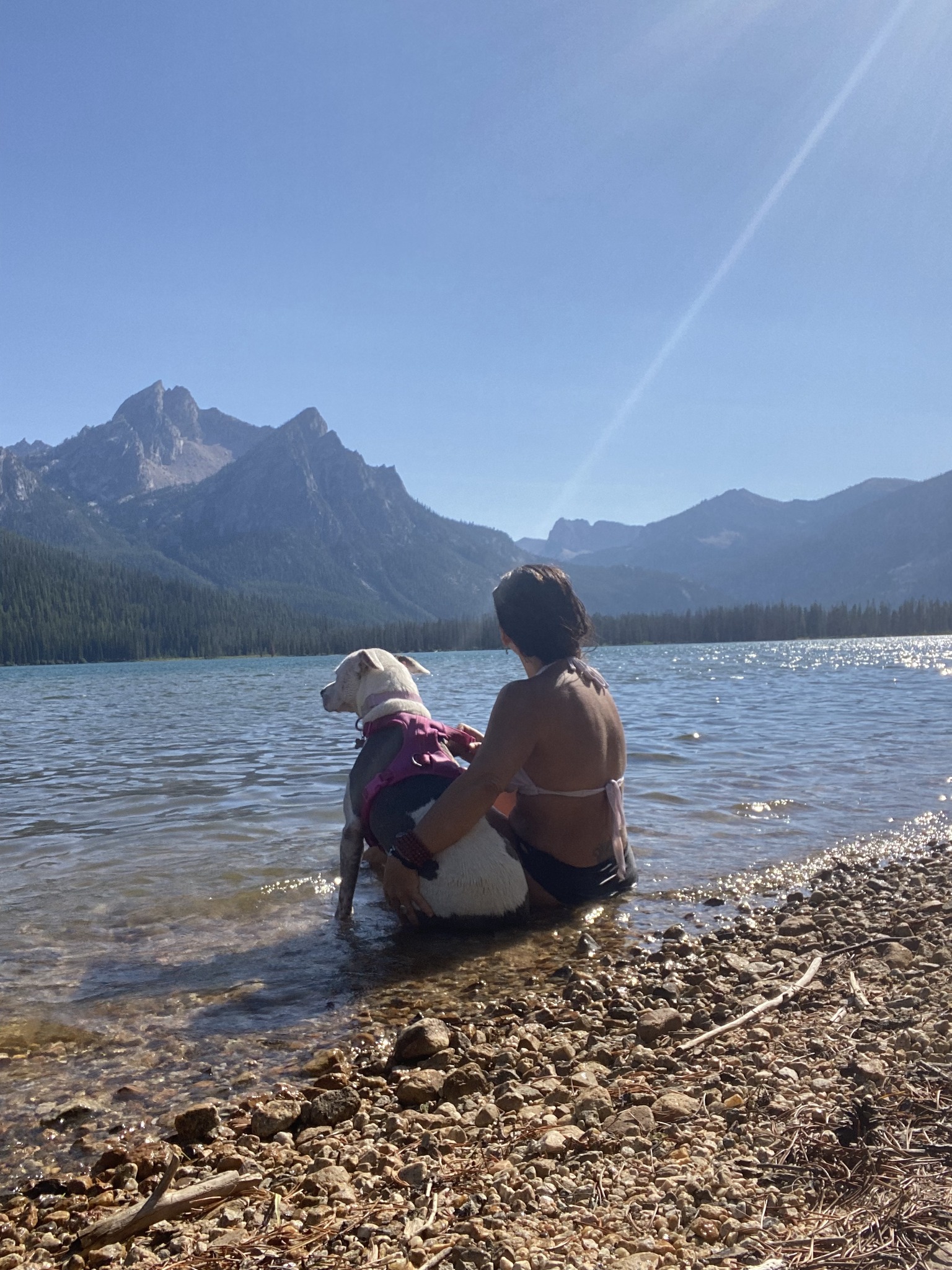
Article by
Ursula Akin
Ursula Akin created The Farsick Travel Co. to help travelers step away from rigid, multi-stop checklists and step into intentional, deeply rooted experiences. Specializing in custom travel design, solo escapes, and curated retreats, Ursula combines local insights with leave-no-trace ethics to turn wanderlust into seamless, unforgettable journeys.
Disclaimer
The information provided on this website and within our articles is for general informational and inspirational purposes only. While we make every effort to ensure accuracy regarding travel logistics, recommendations, and local details, conditions can change rapidly. Readers are encouraged to verify current travel requirements, weather, safety advisories, and local regulations independently. The Farsick Travel Co. is a travel design and curation service and is not responsible for any actions, changes, or incidents occurring during independent travel.


