
What if the most meaningful part of traveling alone isn’t how far you go, but how steadily you learn to trust your own choices? The benefits of solo travel for personal growth can be real, though they don’t arrive automatically. A quiet meal or an unfamiliar path might feel restorative one day and lonely the next.
It’s understandable to wonder whether a solo trip will build confidence or simply add stress. Growth is more likely when you choose challenges that feel meaningful, leave room to rest, and make space to notice what you’re learning. You don’t need to chase a dramatic transformation.
This guide explores how solo travel can strengthen self-trust and widen perspective, while offering practical ways to shape a journey around your comfort, curiosity, and natural rhythm. You’ll find ideas for balancing independence with connection, planning manageable days, and carrying small insights home. The aim isn’t to become someone else. It’s to meet yourself with a little more clarity.
- Solo travel can build self-trust through everyday choices.
- Meaningful growth doesn’t require constant discomfort.
- A thoughtful pace can help balance solitude and connection.
- Simple planning and reflection make insights easier to carry home.
Key Takeaways
- Understand the benefits of solo travel for personal growth without expecting every trip to feel empowering.
- Notice how everyday decisions, small adjustments, and honest reflection can nurture self-trust, adaptability, and self-awareness.
- Choose challenges that stretch you while leaving enough room for rest, ease, and enjoyment.
- Shape your itinerary around one clear intention, a fitting setting, a gentle pace, and pauses to reflect.
- Bring your insights home by recording one discovery, one choice to repeat, and one question to revisit.
What the Benefits of Solo Travel for Personal Growth Really Mean
It makes sense to wonder whether traveling alone will feel freeing, awkward, or a little of both. A solo trip can give you room to hear your preferences more clearly, but it doesn’t guarantee a breakthrough or effortless confidence. The benefits of solo travel for personal growth are possibilities you can notice and nurture, not outcomes every traveler is meant to achieve.
Personal growth might mean recognizing what gives you energy, feeling more assured about a decision, or seeing a familiar concern from a different angle. It can be subtle. You may learn that you enjoy a quiet start to the day, that asking for help feels easier than expected, or that a flexible plan suits you better than a tightly scheduled one.
Solo-travel growth is a clearer understanding of yourself that can come from making choices, meeting change, and reflecting on what matters to you. It doesn’t require a dramatic test of courage, a far-flung destination, or a storybook turning point.
Why doing things alone can feel different
At home, familiar roles and routines often shape the day before you’ve consciously chosen them. Traveling alone can create distance from those patterns. With no shared itinerary to negotiate, you might linger over breakfast, take a slower morning, or choose a shaded walk instead of another planned stop. The useful discovery isn’t that your preference is superior. It’s that you can hear it.
That awareness can emerge through ordinary decisions: whether to pause when you’re tired, spend longer somewhere that interests you, or start a conversation with someone who knows the area. You don’t need to turn each choice into a lesson. Simply noticing your response can reveal what feels nourishing, what drains you, and where curiosity begins.
Growth is personal, not a guaranteed travel outcome
A solo journey can feel peaceful, uncertain, energizing, or tiring, sometimes within the same day. Your circumstances, expectations, and comfort with independence all shape the experience. Choosing your own plans may feel liberating; handling every detail may feel demanding. Neither reaction means you’ve traveled incorrectly.
Instead of measuring success by how fearless or transformed you feel, pay attention to what the experience helps you understand. Did you enjoy the freedom, or would a little structure have made it easier to settle in? Did quiet time restore you, or did you want more conversation? These are useful observations, not a verdict on your ability to travel alone.
Meaningful growth is more likely when you engage with the trip at a pace you can genuinely inhabit. Choose a challenge that matters to you, leave room to adjust, and reflect on what the experience brings up. The next sections explore smaller sources of growth and how to shape a journey around them, without making discomfort the price of admission.
How Solo Travel Can Build Self-Trust, Adaptability, and Self-Awareness
The benefits of solo travel for personal growth often emerge through small moments: deciding what you need, responding when a plan shifts, and noticing how each choice feels. These experiences don’t prove that you can handle everything alone. They give you a chance to practice listening to yourself, adjusting thoughtfully, and choosing what comes next.
Self-trust grows through everyday decisions
Self-trust isn’t reserved for bold gestures. It can begin with a manageable decision, like choosing a meal that appeals to you, skipping an activity because you’re tired, or spending more time somewhere that holds your interest. Each choice lets you test whether your own preferences can guide the day.
Try asking yourself, “Would I choose this if nobody else were weighing in?” There’s no need to make the answer adventurous. Choosing a familiar option can be just as intentional as trying something new. Notice which decisions feel like yours, then give yourself room to act on them.
Adaptability is the practice of adjusting
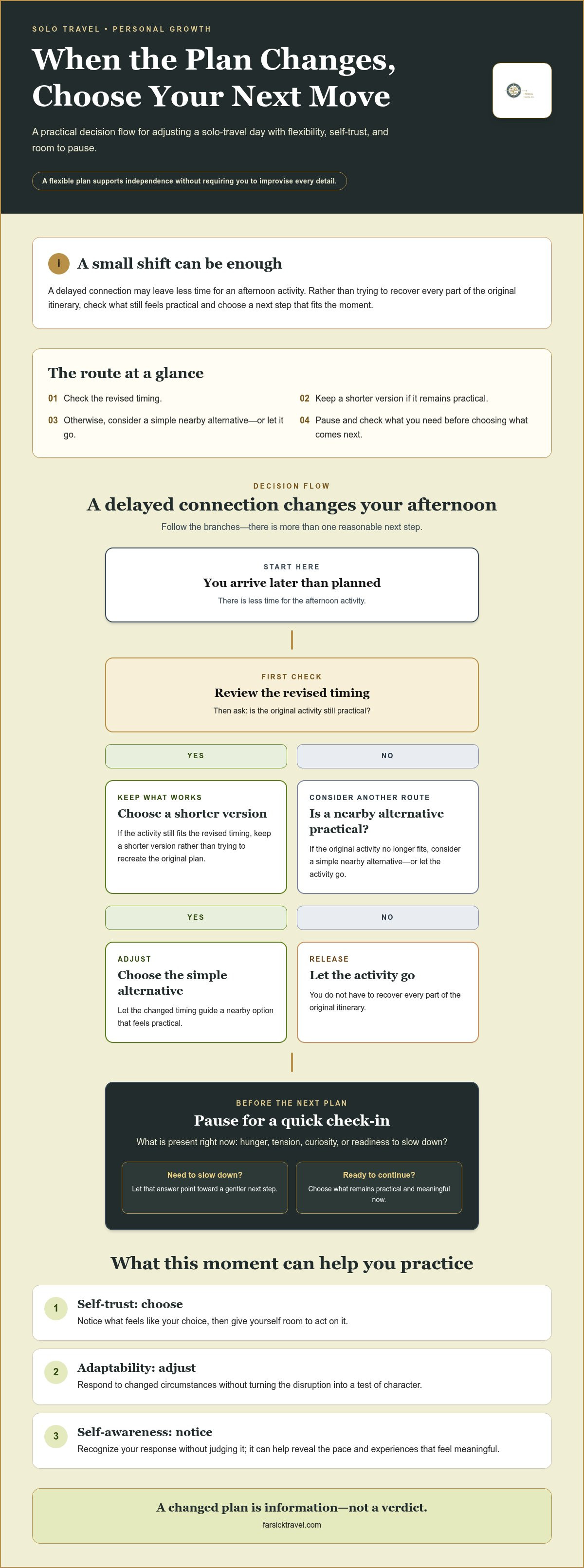
Imagine a delayed connection means you arrive later than planned, leaving less time for an afternoon activity. Check the revised timing, consider what remains practical, and choose whether to keep a shorter version, find a simple nearby alternative, or let it go. The adjustment itself is the practice. You’re responding to changed circumstances without turning the disruption into a test of character.
Before making the next plan, pause to check in. Are you hungry, tense, curious, or ready to slow down? That answer can point to a better next step than trying to recover every part of the original itinerary. A flexible plan supports independence without requiring you to improvise every detail.
Self-awareness comes from noticing your reactions
Self-awareness means recognizing your responses as they unfold. Perhaps a full day of activities leaves you eager for quiet, or an unplanned conversation makes you curious about a local craft or tradition. Notice the response without judging it. That information can help you understand what kind of pace, company, and experiences feel meaningful to you.
Learning can make that curiosity more tangible. A skillcation gives a trip an activity to engage with while leaving space to observe how you respond to being a beginner. Focus on the practice itself, rather than expecting one experience to change you permanently.
These qualities can overlap, but they aren’t interchangeable: self-trust helps you choose, adaptability helps you respond, and self-awareness helps you understand your reaction. The Farsick Travel Co. creates custom solo itineraries shaped around your interests, pace, and preferred balance of structure and open time.
Must Solo Travel Be Uncomfortable to Help You Grow?
No. Personal growth doesn’t require a frightening challenge, a packed schedule, or proving you can manage every moment without help. A trip can stretch you in a useful way while still feeling considered and enjoyable. The benefits of solo travel for personal growth aren’t measured by how much discomfort you tolerate, but by what you learn when you meet an experience with curiosity and care.
A chosen challenge invites you to grow; unnecessary strain leaves too little room to feel, rest, and enjoy the journey. That distinction is personal. For one traveler, joining a locally led walk may feel like a welcome step beyond routine. For another, a slower morning in an unfamiliar place may be enough for the day.
Stretch your comfort zone without turning the trip into a test
Pair one modest new experience with familiar rhythms and restorative time. You might take a locally led class, then leave the afternoon open for a meal and an unhurried walk. There’s no universal measure of bravery. Choose something that sparks genuine interest, not an activity you feel obliged to complete for a better travel story.
Build flexibility into the day. If your energy drops, shorten the outing or switch to a quieter plan. If the experience feels inviting, stay longer. Changing course isn’t failure; it’s a way to respond to your real circumstances rather than forcing the itinerary to match an imagined version of yourself.
Make room for connection and quiet
Traveling alone doesn’t mean spending every hour alone. A shared meal, a small-group activity led by someone local, or an easy conversation in a community setting can offer connection without demanding constant sociability. Let interactions unfold respectfully: listen, follow the host’s lead, and approach local customs with attention rather than treating people or culture as part of a personal-growth exercise.
Quiet belongs in the plan, too. Leave space for an unstructured afternoon, especially if social activity takes more energy than expected. If loneliness shows up, treat it as a feeling worth noticing, not proof that you’ve made the wrong choice. You might want company for one activity, or simply need a familiar routine and some rest.
Nature can offer its own gentler kind of pause. On a trail, move at a pace that suits your energy, stay mindful of your surroundings, and follow leave-no-trace principles: keep to appropriate paths, carry out what you bring in, and give wildlife space. The goal isn’t to conquer a landscape, but to spend time in it with care.
Before adding an activity, ask: Does this feel interesting, manageable, and right for my energy today? A “yes” to all three can be a helpful guide. Your answer may change from one day to the next. That’s not inconsistency; it’s part of making the journey your own.
How to Plan a Solo Trip That Supports Personal Growth
A growth-minded solo trip doesn’t need an ambitious itinerary. It needs a clear reason for going and a daily rhythm that gives you room to experience a place, respond to your needs, and notice what you’re learning. Use this framework to turn an intention into practical choices without scripting every moment.
- Name an intention. Choose one focus for the journey, such as practicing independence, making time for rest, or learning a new skill. Keep it open-ended enough to guide your choices without turning each day into a performance. “I want to feel comfortable making plans at my own pace” leaves room for a quiet afternoon as well as a new activity.
- Choose a setting and structure that fit. Think about the experience that supports your intention: open time in a place you can explore slowly, a guided activity that offers a point of connection, or a balance of both. Consider seasonal variation, daylight, possible weather changes, and your own energy when setting dates and plans. Keep the itinerary adaptable rather than assuming conditions will stay constant.
- Set a pace you can inhabit. Check activity timings, daylight, and when popular areas are likely to be busiest before arranging your day. If quieter experiences appeal to you, consider starting an outing earlier or choosing a less-visited route or local activity. A day might begin with a trail walk in cool morning air, then ease into an unhurried afternoon, with time to pause for a drink, notice the changing light, or rest.
- Leave space to reflect. Unscheduled time can help you register how the trip feels instead of moving straight from one plan to the next. At day’s end, jot down what energized you, what felt demanding, or what surprised you. If you’re designing the journey around restoration, restorative travel planning can help you think through the balance between activity and recovery.
Let your packing list follow the experiences and conditions you’ve planned for, rather than a generic checklist. For a walking-focused day, bring comfortable footwear and layers suited to the expected weather. For time outdoors, carry what you need to take your waste with you and leave the place as you found it. A small notebook makes reflection easy, and packing light enough for your comfort can simplify transitions. Check conditions as your trip approaches and adjust what you bring.
The benefits of solo travel for personal growth are easier to explore when your itinerary supports your intention without demanding a particular outcome. The Farsick Travel Co.’s custom planning brings transport, accommodations, activities, and restorative pauses into a considered rhythm, shaped around you.
Bring the Lessons Home, and Shape a Solo Journey Around Them
A trip’s meaning can become clearer after you return to familiar routines. You don’t need to come home with a dramatic revelation or a completely new outlook. A small observation, such as feeling calmer when mornings were unhurried, can be enough to guide one thoughtful change in everyday life.
Turn travel observations into everyday choices
Set aside a little time to reflect while the details still feel close. In a notebook or on your phone, respond to three prompts:
- One discovery: What did I notice about my decisions, energy, curiosity, or need for connection?
- One choice to repeat: What small moment or habit would I like to make room for at home?
- One question to revisit: What am I still wondering about myself or the way I want to spend my time?
Keep the next step modest. If you liked a quiet start to the day, protect a little screen-free time before your usual routine begins. If you felt most engaged while learning, find a manageable way to keep practicing. Treat these as experiments, not promises that you’ll feel the same way every time. A single journey can offer useful clues, but carrying them forward takes attention and choice.
Let the planning support your intention
Reflection can also shape a future journey. If your intention is to feel more at ease outdoors, an itinerary might balance a guided hike with enough unplanned time to recover and take in your surroundings. If you’re drawn to learning, a skillcation can give your escape a clear focus. A signature hiking and yoga retreat can bring movement and restorative practice together in a guided experience.
Thoughtful custom planning brings the practical pieces together around what matters to you. Coordinating transport, accommodations, and activities can create a supportive structure without filling every hour. The same considered approach can shape other meaningful occasions, from bespoke honeymoons to intentional group or bachelorette trips, tailored to the people and purpose behind the journey.
The benefits of solo travel for personal growth aren’t a checklist to complete. They’re possibilities a well-shaped journey can make room for, with space to explore, rest, and notice what resonates. The right itinerary won’t dictate what you should learn. It can give your intention a setting and a rhythm, then leave you free to meet the experience in your own way.
Let Your Next Journey Begin With One Intention
You don’t have to wait until you feel fearless, perfectly prepared, or certain what you’ll discover. A solo journey can begin with a simple intention: make space for curiosity, practice choosing your own pace, or learn something that has been calling to you. Let that intention guide the experience while leaving room for your feelings and interests to evolve along the way.
The benefits of solo travel for personal growth aren’t something you need to prove. They can take shape in a quiet moment, a choice that feels true to you, or a new question you carry home. The Farsick Travel Co. creates tailored solo itineraries, with signature hiking and yoga retreats or skillcations for travelers drawn to a guided or learning-led experience.
Choose a journey that feels like an invitation, not a test. Your own rhythm is a meaningful place to start.
Frequently Asked Questions
Is solo travel good for personal growth?
It can be, especially if you approach the trip with curiosity rather than expecting it to change you. The benefits of solo travel for personal growth may include noticing what you enjoy, practicing decision-making, or seeing a familiar habit from a fresh angle. For a practical starting point, choose one intention, such as trying a new activity or making more room for quiet, then consider what felt meaningful afterward.
Can solo travel build confidence if you feel anxious about going alone?
It may help you practice confidence gradually, but feeling anxious doesn’t mean you’re unsuited to solo travel. Start with manageable choices, such as planning a familiar type of activity independently or arranging a clear first day rather than leaving everything open. Knowing where you’ll stay and how you’ll reach your first planned stop can reduce uncertainty. Let confidence develop through experience, not pressure to feel fearless.
What happens if you feel lonely while traveling solo?
Feeling lonely can happen, and it doesn’t mean the trip is a failure. Pause to identify what you need: a conversation, a familiar voice, or time around other people without having to socialize. You could message someone you trust, spend time in a welcoming public setting, or choose a structured activity the next day. If the feeling persists, adjust your plans; you’re allowed to seek more connection.
How long should a solo trip be to support personal growth?
There’s no ideal duration. A useful trip fits your responsibilities, budget, energy, and comfort with time away, rather than a particular number of days. Think about how much time you need to settle into a new routine without making the trip feel demanding. A slower itinerary in one place may suit you better than a longer journey with frequent transitions.
Can a short solo trip still feel meaningful?
Yes. A brief escape can offer a meaningful change of perspective if you give it a clear focus and avoid overloading the schedule. You might spend the time exploring one interest, taking a restful break from routine, or practicing a decision you usually leave to someone else. Before you go, choose what you’d like to pay attention to. Afterward, consider which moment you keep thinking about and why.
Is solo travel better than group travel for self-discovery?
Neither is automatically better; each creates a different kind of experience. Traveling solo gives you more say over your pace and plans, while a group can bring shared conversation, guidance, and company. Consider what would help you feel engaged rather than stretched too thin. A guided retreat can offer a learning or activity focus alongside personal space, while an independent trip may suit someone seeking more flexibility.
Do you need to travel far from home for a personal-growth experience?
No. Distance isn’t what makes an experience meaningful. A nearby place can feel new if you give yourself time to explore thoughtfully, notice details you usually pass by, or try an activity outside your routine. Focus on genuine connection, whether that means learning from a local guide or spending time outdoors with care for the setting. A change in attention can matter as much as a change in scenery.
Article by
Ursula Akin
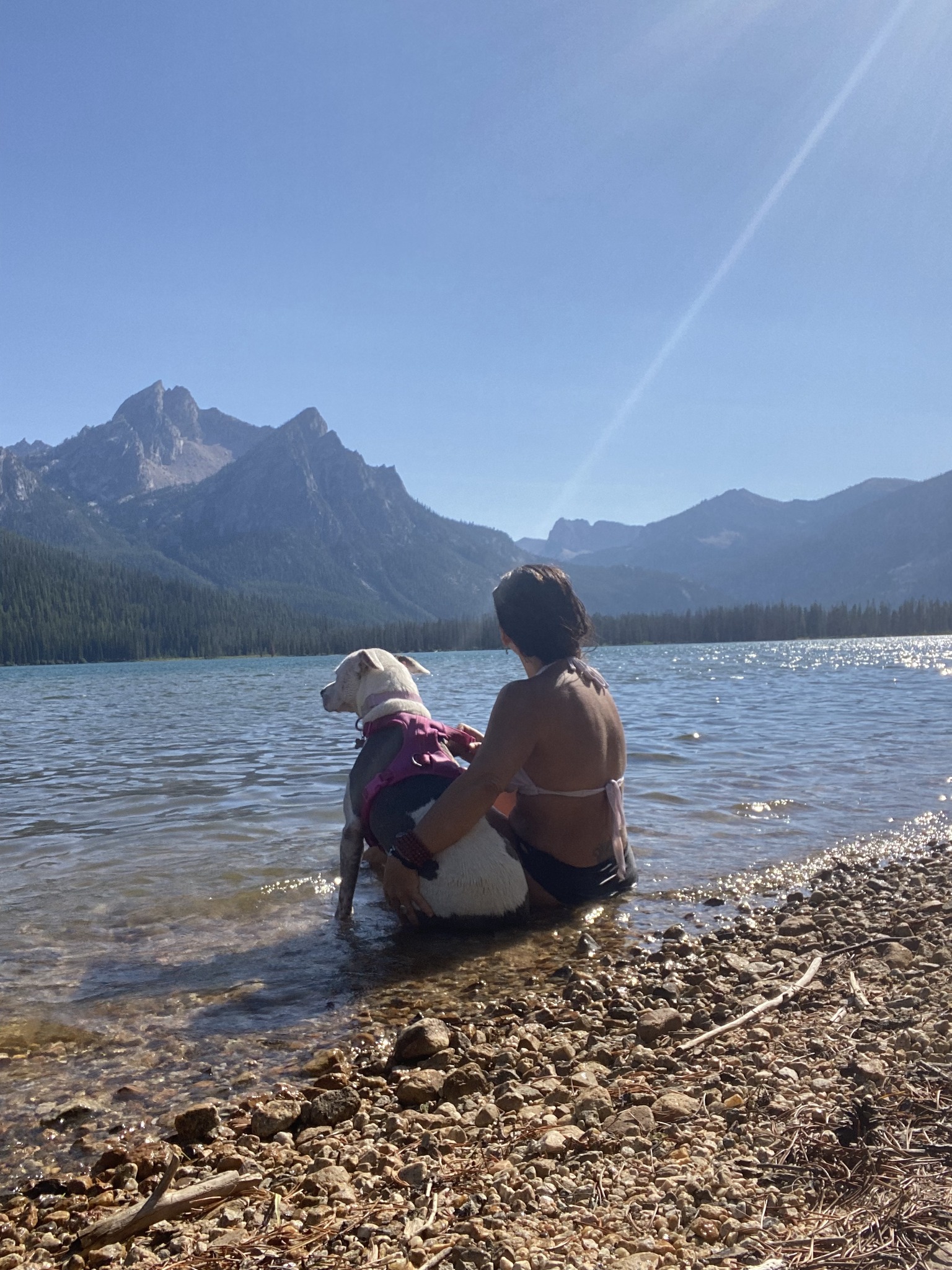
Ursula Akin created The Farsick Travel Co. to help travelers step away from rigid, multi-stop checklists and step into intentional, deeply rooted experiences. Specializing in custom travel design, solo escapes, and curated retreats, Ursula combines local insights with leave-no-trace ethics to turn wanderlust into seamless, unforgettable journeys.
Disclaimer
The information provided on this website and within our articles is for general informational and inspirational purposes only. While we make every effort to ensure accuracy regarding travel logistics, recommendations, and local details, conditions can change rapidly. Readers are encouraged to verify current travel requirements, weather, safety advisories, and local regulations independently. The Farsick Travel Co. is a travel design and curation service and is not responsible for any actions, changes, or incidents occurring during independent travel.


