

A luxurious itinerary can feel less generous when every hour is already spoken for. A bespoke vacation planner shapes your journey around the season, trip length, interests, and preferred balance of activity and downtime, so each choice supports the way you want to travel.
You may already know which places or experiences draw you in. The harder part is making them fit together without turning your time away into a checklist or spending on plans that don’t matter to you.
This guide explores how to shape a more personal itinerary, from defining your travel style and setting priorities to leaving room for weather, changing energy, and unexpected discoveries. You’ll also see how thoughtful planning can bring logistics into a calmer rhythm, with space for both meaningful experiences and genuine rest.
Key Takeaways
- Start with the travel rhythm you want, then use your season and trip length to guide destination and activity choices.
- Rank your interests before shaping the itinerary so the experiences that matter most get room to breathe.
- Build in flexibility for weather, local events, and changing energy instead of scheduling every moment.
- Balance meaningful outings with downtime to make space for rest, spontaneous discoveries, and deeper connection.
- A personalized planner can bring your preferences and trip logistics together in one considered itinerary.
Custom-made luxury itineraries
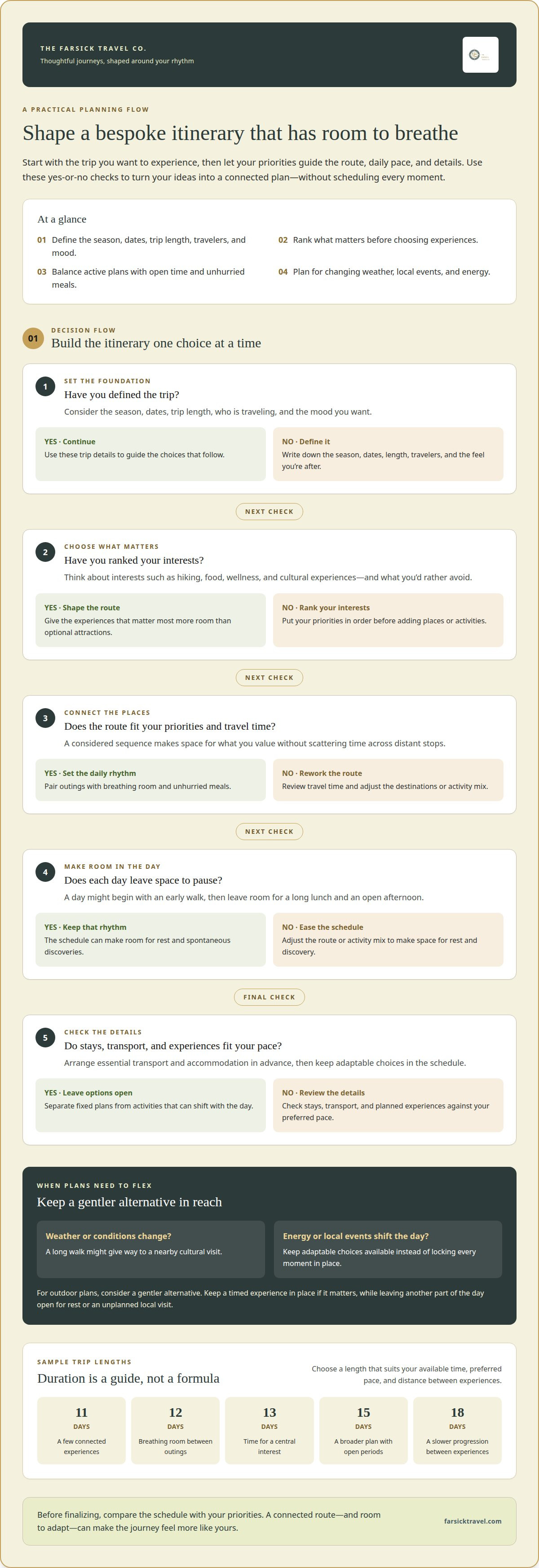
A custom itinerary turns your preferences into a considered sequence of places, experiences, and pauses. Start with the season and trip length, then shape each day around what matters most.
To help a vacation planner shape your itinerary, share your dates, preferred season, interests, travel pace, budget, and accommodation preferences. Mention who’s traveling and any practical needs that could affect activities or daily plans.
Personalized Itinerary Design
Rank your interests before choosing experiences. If local food and nature walks matter most, for example, give them more room than optional attractions. Describe your preferred daily rhythm, too: an early walk followed by a long lunch and an open afternoon gives useful direction. Your itinerary should reflect your priorities, not a generic checklist.
Share what you’d rather avoid, too. If crowded attractions or frequent accommodation changes don’t suit you, say so. These preferences help shape a route with fewer transitions and more time for the experiences you value.
Flexible Trip Planning
Separate fixed plans from activities that can shift. Keep a timed experience in place, for example, while leaving the following afternoon open for rest or an unplanned local visit. Weather, local events, and changing energy can alter a day’s appeal, so flexibility helps preserve the trip’s rhythm.
For each outdoor activity, consider a gentler alternative. A long walk might give way to a nearby cultural visit if conditions change. Arrange essential transport and accommodation in advance, then leave adaptable choices in the schedule.
Steps in Bespoke Vacation Planning
Turn your initial idea into a connected itinerary through a few clear decisions. Use this sequence to prepare:
- Define the trip. Share the season, dates, trip length, travelers, and the mood you want.
- Set priorities. Rank interests such as hiking, food, wellness, or cultural experiences.
- Shape the route. Match destinations and travel time to those priorities.
- Set the daily rhythm. Pair active plans with breathing room and unhurried meals.
- Review the details. Check that stays, transport, and planned experiences fit your pace.
Before finalizing, compare the schedule with your original priorities. If a day feels crowded, adjust the route or mix of activities to make space for rest and discovery.
A clear sense of your travel style can narrow down the destinations and activities worth considering. Decide what kind of trip feels right, then rank your interests so the itinerary prioritizes what matters most. This gives you a practical basis for choosing between options without trying to fit every appealing idea into one vacation. Keep those priorities in view as plans take shape, and revisit them if the schedule starts to feel crowded.
Arrange flights and accommodations in advance while keeping some other bookings flexible. This gives the trip a secure foundation without requiring every choice to be fixed ahead of time. Leave room to adapt as the vacation unfolds: weather, local events, or changing energy may shift what feels appealing. Your mood can guide adjustments, and an unexpected opportunity may be worth making space for. An itinerary that responds to change is better suited to you than a schedule you must follow regardless of circumstances.
Sample trip durations and travel seasons
Sample itinerary lengths can help you understand how much time different journeys may take. Season matters, too, since daylight, weather, and activity conditions affect what fits comfortably.
A bespoke vacation planner designs around your priorities, while a travel agent may focus more on arranging travel services. The roles can overlap, so ask what planning and coordination each service includes.
Planning businesses may use different compensation models. Before beginning, request written terms explaining any planning fee, commission, or other compensation, and what work it covers. The structure depends on the service and itinerary.
Consultations can happen online or in person across the United States. A complimentary consultation is an introductory conversation with no fee. Ask what the discussion will cover and bring your trip preferences and questions.
- 11-day sample: Focus on a few connected experiences instead of scattering time across distant stops.
- 12-day sample: Leave breathing room between outings and travel transitions.
- 13-day samples: Use the available time to explore a central interest at an unhurried pace.
- 15-day sample: Consider a broader itinerary while preserving open periods.
- 18-day sample: A longer journey can allow a slower progression between experiences.
These durations are examples, not formulas. Choose a trip length that suits your available time, preferred pace, and the distance between planned experiences. A longer itinerary needs a coherent route, not simply more stops. Review travel time between places before adding another activity.
Consider seasonal conditions as you shape each day. Longer daylight can support outdoor plans, while heat, rain, or changing trail conditions may call for earlier outings and indoor alternatives. For changeable weather, pack a light waterproof layer, comfortable walking shoes, and an extra layer for cooler mornings. Check local events and seasonal closures as plans take shape.
Keep travel documents together in one digital or physical folder. Store confirmations, accommodation details, identification information, and itinerary notes in the same place. Save important details for offline access, and use travel or weather apps for updates that may affect your plans.
For a planning conversation, prepare your dates, preferred season, trip length, interests, and ideal pace. Describe a day you’d enjoy, such as an early outdoor activity, a relaxed meal, and an open afternoon. This gives your planner a practical sense of your preferred rhythm.
Local conversations and travel writing can reveal distinctive experiences. Compare suggestions with your interests, and prioritize respectful cultural encounters and mindful visits to natural spaces. As you explore travel planning options, consider which seasonal details and activities deserve the most room in your itinerary.
A consistent system keeps trip paperwork together as plans evolve. Choose one digital or physical place as the central home for documents you may need to consult. Avoid scattering them among unrelated locations; when a document changes, return the updated version to the same place. Before setting out, review your collection and make sure it’s organized. Keeping trip documents together makes it easier to find the information you need while following your plans.
Benefits of personalized vacation planning
A personalized itinerary puts your interests ahead of a standard sightseeing sequence. If you’re drawn to gardens, craft traditions, and quiet lanes, those priorities can shape the trip’s focus and daily pace.
That focus helps you choose experiences that fit, rather than filling days with activities simply because they’re popular. A wildlife enthusiast, for example, might prefer patient observation to a rushed series of stops.
It can also help keep spending aligned with what matters. If a comfortable base and guided nature walks are priorities, those choices can take precedence over optional experiences you don’t value.
Planning support can reduce the logistics you manage yourself. Instead of coordinating each stay, transfer, and activity separately, you can follow one itinerary showing how those details connect. A clear sequence also makes it easier to spot unnecessary transitions.
How do you choose a reputable bespoke vacation planner? Review sample itineraries, written service terms, fee details, and how the planner responds to your interests. Look for clear answers and specific signs that the proposed approach reflects your priorities.
What are the risks of using a bespoke vacation planner, and how can you avoid scams? Risks include unclear fees, vague service terms, or plans that don’t reflect your discussion. Request written terms, keep payment records, and review itinerary details before agreeing.
Personalization also makes pace a design choice. A day built around coastal walking, for instance, can pair an early outing with an open afternoon instead of stacking activities from morning to evening.
That breathing room can make local encounters feel less rushed. During a market visit, you can browse at your own pace, listen, and speak with vendors respectfully instead of treating the stop as a quick photo opportunity.
Use these steps to assess the value of a proposed plan:
- Compare priorities with the itinerary. Check whether your preferred experiences shape the route and daily schedule.
- Look at the travel flow. Notice whether transitions leave time to settle in, eat, and rest.
- Review the details. Confirm that dates, stays, and planned activities are easy to follow.
- Check the flexibility. Identify which plans can shift if weather or energy changes.
A personalized itinerary can make a solo escape, honeymoon, or nature-focused journey feel coherent without making every moment rigid. A couple who values local food and gentle walks, for example, can prioritize those experiences over a generic list of attractions.
The value lies in selecting well-matched experiences and connecting them thoughtfully, not simply adding more stops. Before accepting a draft, consider whether its pace gives you time to notice your surroundings, enjoy meals, and be present. A considered plan can leave more of your attention for the experience itself.
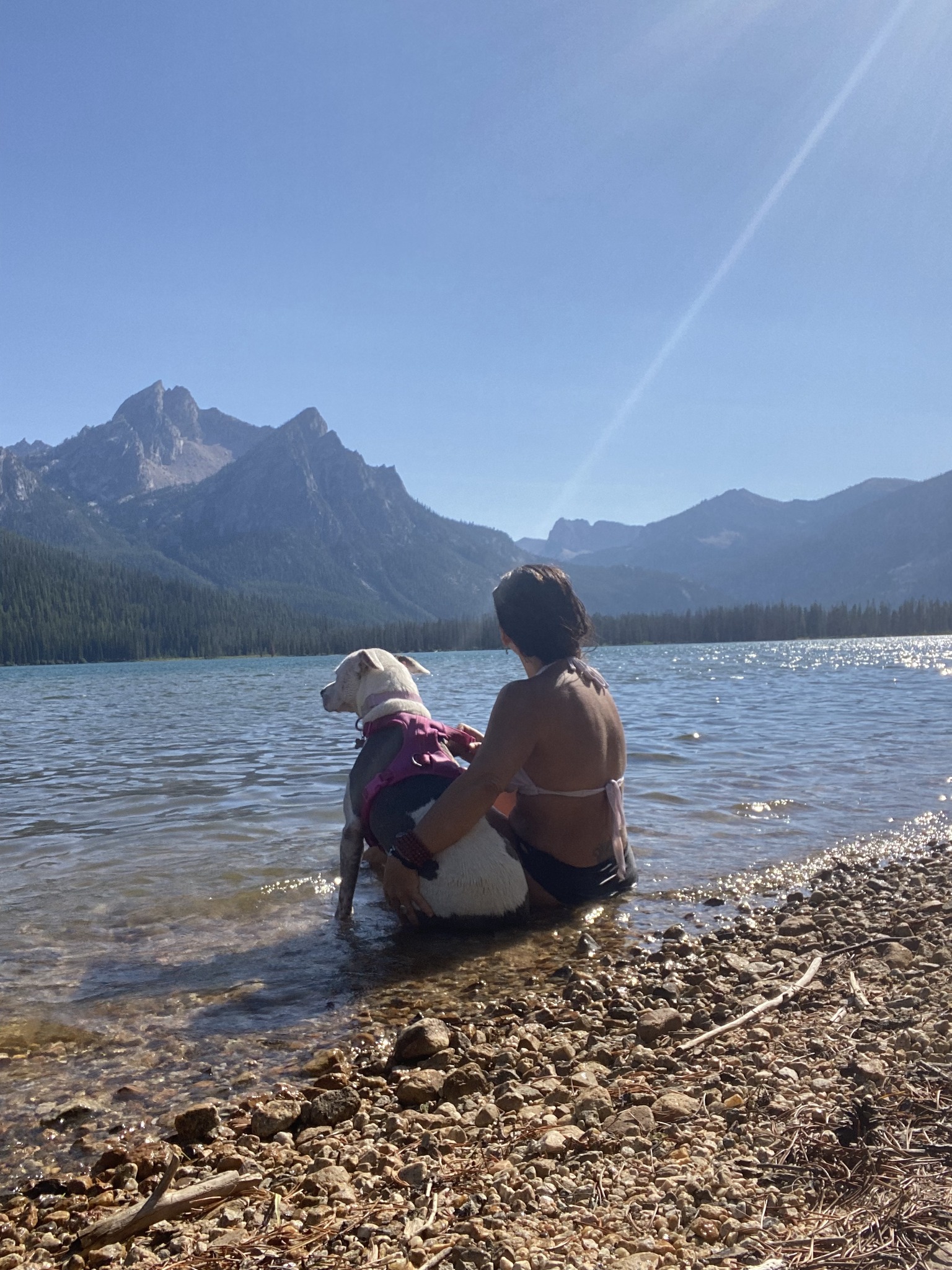
Balancing activities and downtime
A satisfying itinerary gives meaningful experiences room to land. Pair planned outings with unscheduled periods, so travel feels less like moving between appointments.
Start by marking the experiences you most want to remember. A coastal walk, a cooking class, or time with local artisans can anchor the trip. Keep other activities optional, rather than treating every interesting possibility as essential.
Think about effort as well as hours. A strenuous hike can leave you ready for a quiet meal, not another guided excursion. After a museum visit with long stretches of standing, a slow café stop may feel more restorative than crossing town for another attraction.
Downtime can be intentional without becoming another scheduled activity. Leave an afternoon open for reading, a swim, or an unhurried meal. If you prefer gentle structure, choose a nearby market or neighborhood stroll that you can leave whenever you like.
Travel between places uses energy, too. A day with a long transfer, check-in at a new stay, and the search for dinner already carries several tasks. Keep its activity plan light, perhaps with a short walk near your accommodation instead of a distant excursion.
Weather and seasonal conditions can change how a day feels. If a warm afternoon makes an exposed trail uncomfortable, consider an earlier start and reserve indoor time later. In cooler or rainy conditions, leave room to pause, dry clothing, and adjust the day’s plans.
Use this simple planning sequence to create breathing room:
- Choose priorities. Mark the experiences you’d regret missing, such as a guided nature walk or a neighborhood food tour.
- Place demanding activities thoughtfully. Avoid stacking a strenuous outing beside another high-effort experience.
- Protect open time. Leave space for rest, lingering meals, and unexpected local discoveries.
- Review transitions. Make travel and arrival days lighter, especially when changing accommodation.
Keep a short list of alternatives for plans affected by weather or energy. A forest walk might become a visit to a local craft studio; an outdoor lunch might shift to a shaded courtyard. Flexible choices preserve the day’s character without forcing the original schedule.
For each day, ask what the main experience is and what follows it. If a sunrise wildlife outing is the highlight, consider a slower afternoon rather than booking another distant stop. If the day centers on a relaxed food experience, leave time to explore nearby streets at your own pace.
Downtime also creates space to notice what a packed schedule can miss: birdsong along a trail, changing light on a town square, or a conversation with a shopkeeper. Build those pauses into the itinerary, then let the destination set some of the rhythm.
What does a bespoke vacation planner do?
A bespoke vacation planner turns your priorities into a connected travel plan. You might want a quiet solo escape, a hiking journey, or time to explore regional food. The planner uses those aims to guide experience choices, daily pacing, and practical arrangements. Rather than starting with a fixed package, the process begins with your reasons for traveling.
Start with a conversation about your trip. Share your dates, preferred season, available time, interests, budget, accommodation preferences, and travel companions. Add practical details, such as walking comfort or the daily rhythm you enjoy. For example, “early trail, long lunch, open afternoon” gives clearer direction than “active but relaxed.”
Next, your planner connects your priorities to activities and a workable route. A traveler drawn to desert landscapes might want time outdoors, while someone seeking food and culture may prefer a slower journey through markets and local neighborhoods. The route should make sense on the ground, not just look appealing on a page.
Planning also means coordinating the itinerary’s moving parts. Your planner can organize proposed stays, activities, and transitions into a coherent sequence. Placing a guided walk near your accommodation, for instance, can leave time afterward for a meal and rest. Travel documents and confirmations can be organized alongside the itinerary.
Clear communication matters throughout the process. A useful draft shows what’s planned, what remains flexible, and how each experience connects to your interests. If a day includes a long transfer, the planner can keep its activity schedule light. If the weather shifts, an adaptable plan can make room for an indoor visit or a slower afternoon.
Before choosing a planner, review the proposed scope and how revisions work. Look for an itinerary that reflects the details you shared, rather than broad suggestions that could suit anyone. Ask how the plan handles practical transitions, seasonal conditions, and unscheduled time. These details help you assess whether the design supports your travel style.
A planning conversation works best when you arrive prepared. Use this checklist to make your priorities easy to understand:
- Trip essentials: Share dates, preferred season, trip length, destination ideas, and who’s traveling.
- Experience priorities: Rank interests such as hiking, wellness, food, wildlife, or local culture.
- Personal preferences: Describe your ideal pace, accommodation style, and preferred balance of activity and rest.
- Practical needs: Note mobility considerations, dietary preferences, and plans that need flexibility.
For a proposal, honeymoon, or solo journey, explain how you want the experience to feel. A couple might value intimate meals and gentle walks; a solo traveler may prioritize independent exploration. Specific context helps shape a trip around you, not a template.
Discuss your custom travel itinerary
The Farsick Travel: Custom Travel Planning
The Farsick Travel Co. offers Custom Travel Planning for travelers ready to turn personal priorities into a considered itinerary. It’s a natural fit when you want your interests, preferred pace, and time for rest to shape the journey, rather than following a preset schedule.
For a trip centered on the outdoors, Signature Hiking & Yoga Retreats bring movement and mindful pauses together. Solo Travel Experiences support independent journeys, while Skillcations make learning a focus of travel. Each offers a different starting point for shaping a meaningful escape.
Bring your destination ideas, travel dates, and the experiences you value most. A free discovery call can help clarify the next planning step.
Let your next journey begin with intention
Your next trip can begin with a simple decision: choose what you want more of, whether that’s quiet, movement, discovery, or connection. A bespoke vacation planner can help turn that intention into a journey that feels personal from its first day to its last.
The Farsick Travel Co. offers Custom Travel Planning, Signature Hiking & Yoga Retreats, and Solo Travel Experiences for travelers seeking a more considered way to explore. Bring a place, an interest, or simply the feeling you hope to find. A thoughtful journey can take shape from there.
Contact The Farsick Travel to plan your trip
May your next adventure leave room to wander, connect, and return feeling renewed.
Frequently Asked Questions
Can a bespoke vacation planner book flights, hotels, tours, and travel insurance?
Not every planner handles all four. The Farsick Travel Co. provides Custom Travel Planning, including accommodation recommendations, activity coordination, and transport logistics as parts of a tailored itinerary. A bespoke vacation planner can clarify how these arrangements fit into the planning service. Travel insurance is a separate consideration, so include it in your own trip preparations and keep coverage details with your travel documents.
How do bespoke vacation planners charge fees or earn commissions?
Compensation models vary by service and itinerary. Ask for written terms explaining any planning fee, commission, or other compensation and what work it covers.
Article by
Ursula Akin
Ursula Akin created The Farsick Travel Co. to help travelers step away from rigid, multi-stop checklists and step into intentional, deeply rooted experiences. Specializing in custom travel design, solo escapes, and curated retreats, Ursula combines local insights with leave-no-trace ethics to turn wanderlust into seamless, unforgettable journeys.
Disclaimer
The information provided on this website and within our articles is for general informational and inspirational purposes only. While we make every effort to ensure accuracy regarding travel logistics, recommendations, and local details, conditions can change rapidly. Readers are encouraged to verify current travel requirements, weather, safety advisories, and local regulations independently. The Farsick Travel Co. is a travel design and curation service and is not responsible for any actions, changes, or incidents occurring during independent travel.


