

What if a solo journey could feel beautifully considered without being planned down to the minute? A luxury solo travel planner can bring the pieces together, from a welcoming place to stay to thoughtfully timed local experiences, while leaving you room to follow your curiosity. The point isn’t to fill every hour. It’s to make the journey feel like yours.
If you’re weighing destinations and accommodations, or worrying that a polished itinerary might leave no space to breathe, you’re not alone. Traveling solo can mean savoring a quiet morning on a trail, lingering over lunch, then choosing a little company when it feels right. Comfort and connection can coexist with the freedom to change course.
Thoughtful planning can shape a personal journey around your interests, energy, and preferred pace. Coordinated transport, accommodations, and activities can ease the practical decisions, while a flexible rhythm makes room for nature, meaningful local encounters, solitude, and restorative downtime. The best itinerary doesn’t dictate every step. It gives you a sure footing, then lets you find your own way.
Key Takeaways
- A luxury solo travel planner can turn personal priorities into a cohesive trip without locking every day into a fixed schedule.
- Use a simple planning sequence: clarify your intention, choose a setting, set your pace, then coordinate the practical details.
- Compare bespoke planning, self-planning, and group travel by how much autonomy, coordination, and connection you want.
- Shape your plans around seasonal weather, daylight, crowd patterns, and the activities you most want to experience.
- The Farsick Travel Co. creates custom solo itineraries and coordinates key trip elements around your goals.
Why Choose a Luxury Solo Travel Planner for a Journey of Your Own?
Traveling alone offers a rare kind of freedom: you can follow a woodland path at first light, linger over lunch, or change the day’s direction simply because something catches your attention. Turning that freedom into a cohesive trip still takes work. Transport connections, accommodation choices, activity timing, and the distance between them all need to make sense together.
A luxury solo travel planner is a thoughtful partner, not a supplier of preset packages. Planning begins with what matters to you: perhaps quiet comfort after an active day, a chance to learn a local craft, or a few unstructured mornings with no firm plans. Luxury, in this sense, is less about excess than about fit, considered logistics, and time used well.
A tailored itinerary gives you a considered path to follow; a fixed, group-led itinerary asks you to follow someone else’s. That distinction leaves room for independence without requiring you to carry every planning detail alone. A well-shaped plan can include clear transitions and useful arrangements while preserving the freedom to pause, explore, or simply rest.
What does a luxury solo travel planner actually do?
A planner learns about your interests, comfort preferences, and preferred rhythm, then coordinates transport, accommodations, and distinctive activities around them. If you’re drawn to nature, that might mean a morning walk in cooler air, followed by a restful afternoon nearby. An itinerary can also leave open stretches of time, so a welcoming café or an appealing side path can become part of the day.
Who benefits most from a bespoke solo journey?
This approach can suit travelers seeking wilderness, wellness, learning, or a slower connection with local life. It’s especially useful when the planning feels scattered or your time for research is limited. Instead of spending evenings comparing every transfer and stay, you can focus on the experiences you want the journey to hold.
Solo doesn’t have to mean isolated, and connection doesn’t have to mean joining a group all day. A locally led activity, a small workshop, or an unhurried conversation over a meal can offer a meaningful point of contact, with space afterward to return to your own company. In natural settings, thoughtful planning can also help you move with care: stay on established paths, respect wildlife at a distance, and leave the place as you found it.
The Farsick Travel Co. creates custom solo itineraries around individual preferences and goals, coordinating the practical details so you have more attention for the journey itself. Whether you imagine a restorative retreat, a skill-focused escape, or days shaped by time outdoors, the plan can support your independence rather than crowd it out.
How a Bespoke Solo Itinerary Turns Personal Priorities into a Cohesive Journey
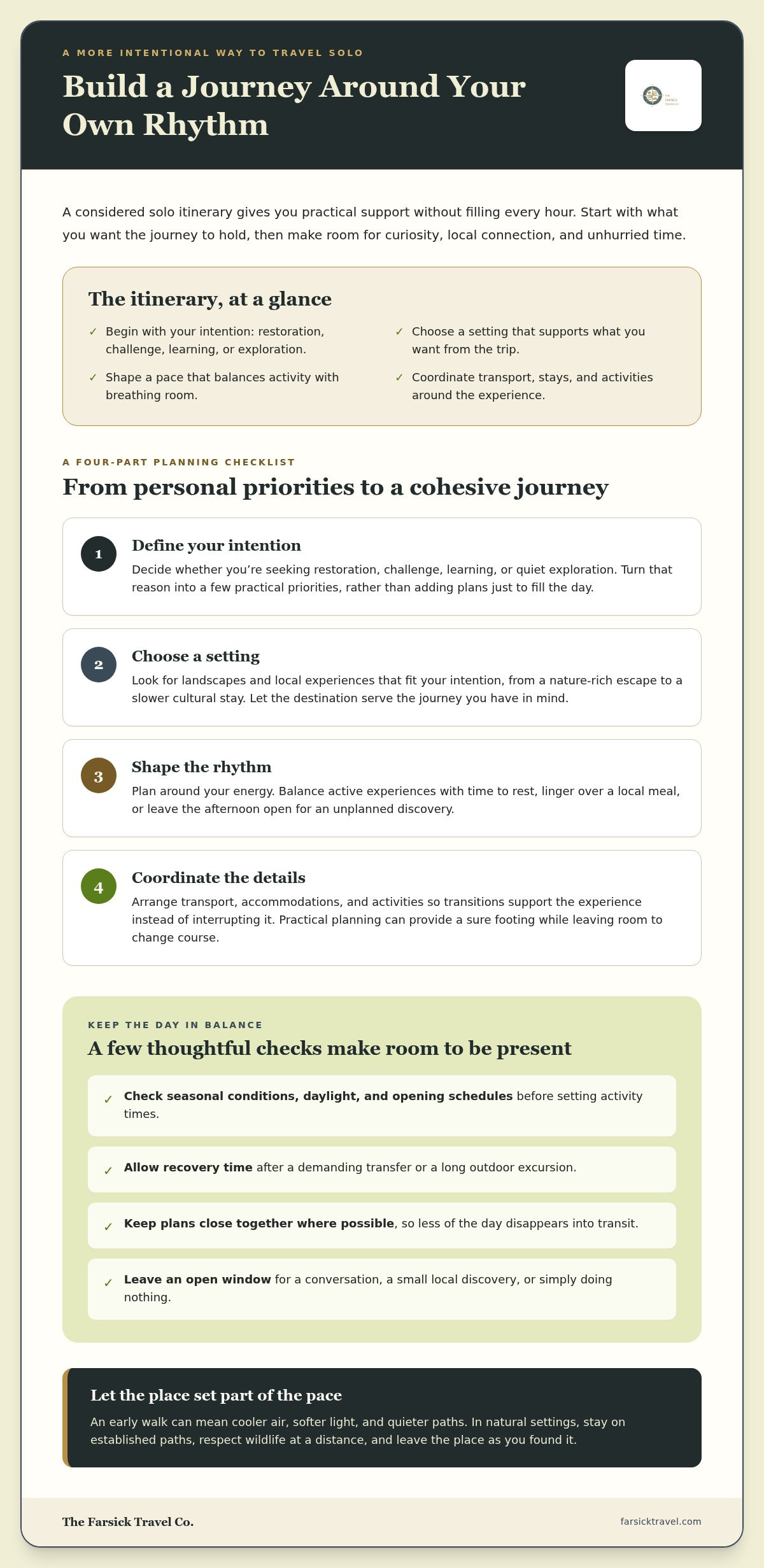
A personal itinerary takes shape through a series of connected choices. Start with the feeling or purpose you want the trip to hold, then choose a setting that supports it. Shape the pace around your energy and interests, then coordinate the details that let each day flow naturally into the next. A luxury solo travel planner can connect those decisions without making the itinerary feel overdirected.
- Define your intention. Decide whether you’re seeking restoration, challenge, learning, or quiet exploration.
- Choose a setting. Look for landscapes and local experiences that suit that intention, from a nature-rich escape to a slower cultural stay.
- Shape the rhythm. Consider how much activity feels enlivening and how much space you need between plans.
- Coordinate the logistics. Arrange transport, accommodations, and activities so practical transitions support the experience rather than interrupt it.
Personal priorities should shape the destination, daily rhythm, and practical details of the itinerary.
Begin with the reason for traveling solo
Ask yourself what you want more of: rest, movement, new skills, time outdoors, or the freedom to explore quietly. Turn your answer into a few practical priorities, such as choosing one base rather than changing accommodation often, including a guided learning experience, or keeping some mornings unscheduled. A clear purpose helps you distinguish meaningful plans from simply adding more stops.
That clarity can guide your choice of setting, too. If restoration is the aim, prioritize easy transitions and room to pause. For a challenge, build around an activity that excites you, then allow for recovery. For learning, choose an experience with time to engage rather than rushing between attractions. The itinerary feels more cohesive when each choice serves the same intention.
Design a rhythm that leaves room to be present
Plan with your energy, not just a map. An early walk may bring cooler air, softer light, and quieter paths; a slow afternoon can leave time for a local meal or rest. Before setting activity times, check seasonal conditions, daylight, and opening schedules. These details affect what feels comfortable and how much of the day an outing requires.
- Place a lighter day after a demanding transfer or a long outdoor excursion.
- Keep plans close together when possible, so less of the day disappears into transit.
- Leave an open window for an unhurried conversation, a small local discovery, or simply doing nothing.
Let the landscape and community set some of the rhythm, too. Choose experiences that respect local places and customs, follow established trails, and give wildlife space. The Farsick Travel Co. can shape these priorities into a custom solo itinerary that leaves room for both connection and quiet.
Bespoke Planner, Self-Planning, or Group Trip: Which Solo Travel Style Fits?
“Solo travel” can describe very different ways of moving through a place. You might design every detail yourself, collaborate with a planner on a journey made just for you, or travel independently within a curated small group. The right fit depends on how much research you enjoy, how much coordination you want to manage, and whether you prefer connection to happen spontaneously or through shared plans.
Self-planned solo trip
Autonomy: High. You make the choices and can change plans freely. Planning effort: High, since you research and arrange the details. Coordination: Yours to manage across stays, transport, and activities. Connection: Usually self-directed, through experiences you choose along the way.
Bespoke solo itinerary
Autonomy: High, with a plan shaped around your preferences. Planning effort: Shared with a planner. Coordination: Key trip elements are brought together around your priorities. Connection: You can build in selected local experiences while keeping independent time.
Curated small-group experience
Autonomy: More shaped by the shared itinerary. Planning effort: Less individual arranging. Coordination: Activities follow the group experience. Connection: Shared moments are built into the format, alongside opportunities to enjoy a destination together.
None of these styles is automatically better. Self-planning can be deeply satisfying if you enjoy comparing options, tracing routes, and adapting as you go. A bespoke itinerary may suit you if the research feels fragmented or you want a coherent plan without giving up the independence of traveling alone. A small-group experience can be a good fit when shared activities and ready-made company are part of what you hope to find.
When does custom planning add meaningful value?
Custom planning can help when a journey involves connected details, such as transport between stays, outdoor activities, and time to recover. A luxury solo travel planner can align those choices with your preferred pace, interests, and comfort, so the days feel intentional rather than pieced together. You set the priorities; planning supports your decisions, it doesn’t replace them.
How can you balance solitude and connection?
Choose a few activities that invite genuine interaction, such as a locally led walk or a small learning experience, then protect time for independent wandering and rest. In communities and natural settings, take your cues from local hosts, respect boundaries, follow established paths, and leave no trace. Connection feels richer when it’s considerate, not constant.
Practical Planning for a Solo Journey: Seasons, Crowds, and What to Pack
A little preparation can make a solo itinerary feel spacious rather than over-managed. Timing affects more than the weather: it shapes daylight for outdoor activities, how busy popular places feel, and whether a day leaves room to linger. Before finalizing plans, check current destination guidance and any requirements for activities you’re considering, especially if they involve changing conditions or specialized equipment.
Choose timing and daily plans with care
Shoulder seasons can offer a quieter alternative to peak periods, but conditions vary by destination. Check typical seasonal weather, daylight hours, local holidays, and event calendars before choosing dates. A trail that’s pleasant in mild weather may feel very different in heat, rain, or early darkness. Confirm current access and activity details close to departure, then set plans that suit the conditions rather than relying on a general seasonal label.
For popular outdoor areas, an early start may mean cooler air and fewer people on the path, when access and conditions make that a suitable choice. In a village or cultural setting, visiting outside the busiest hours can leave more room to browse and connect at an unhurried pace. Keep breathing space between plans, too. A slower meal or a rest back at your accommodation can be as valuable as another scheduled stop.
Pack for the landscape, activity, and changing conditions
Build your packing list from the days you’ve planned. A morning walk, a hands-on class, and a relaxed evening each call for different things, while local microclimates can shift between exposed trails and shaded streets. Matching your packing to the activities and conditions helps you stay comfortable without carrying things you won’t use.
- Footwear: Choose comfortable shoes suited to your planned terrain and the amount of walking you expect.
- Adaptable layers: Pack pieces you can add or remove as temperatures, wind, shade, or activity levels change.
- Small day bag: Bring one that fits essentials for an outing without adding unnecessary bulk.
- Activity-specific items: Review current guidance for each planned experience so you know what to bring and wear.
- Reusable essentials: Consider a refillable water bottle or other reusable items that fit the destination and your plans.
A flexible itinerary makes room for your energy to change, without asking you to abandon the shape of the journey. If you wake ready for a longer walk, you can lean into it; if you need a quieter afternoon, open time lets the day soften. That balance is part of thoughtful preparation, not a gap in the plan.
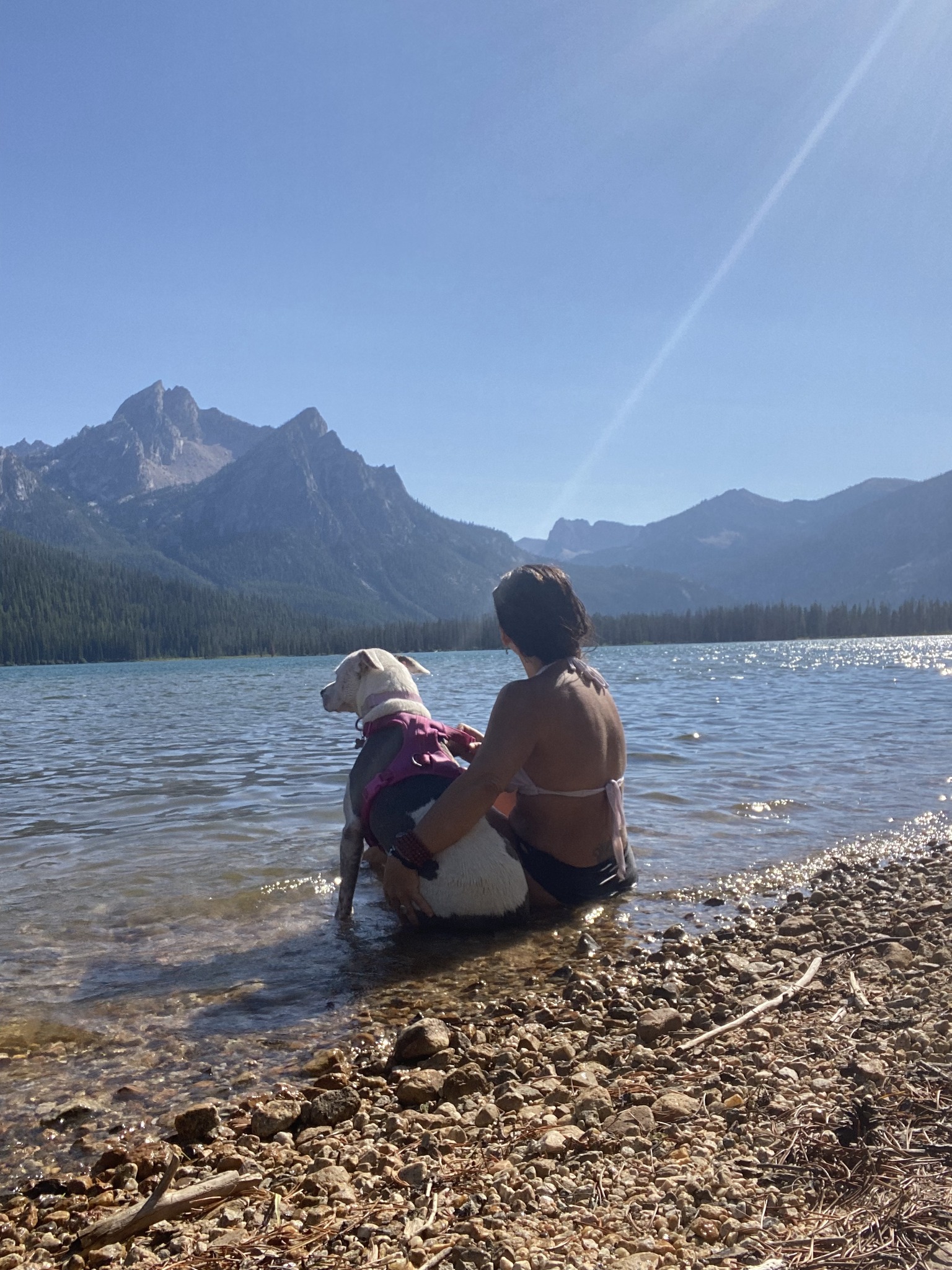
Build open time into your itinerary so the day can follow your energy, whether that means another trail walk or an unhurried afternoon.
Plan a Luxury Solo Journey with The Farsick Travel Co.
You’ve considered how you like to travel, how much structure feels right, and where you want space for discovery. The next step is bringing those preferences into one thoughtfully connected journey. The Farsick Travel Co. creates custom itineraries for solo travelers, coordinating transport, accommodations, and distinctive local activities around individual interests and goals.
This is personal planning, not a template with your name added. A quiet nature escape, a wellness-focused retreat, and a trip built around learning call for different choices. The right details depend on what you want more of, whether that’s time on the trail, room to recharge, or a meaningful way to engage with local life.
What custom planning can bring together
Your priorities can inform the itinerary’s activities, accommodations, and pace. If being outdoors is central to your trip, a nature-based journey might make room for time on the trail and quieter intervals to absorb the landscape. Signature hiking and yoga retreats can bring movement and restoration into focus, while a skillcation can center the experience on learning something new.
The same thoughtful approach can shape other personal occasions, from bespoke honeymoons to intentional group and bachelorette trips. Whatever the occasion, the aim is to design around the people and priorities involved, rather than rely on a preset template. Considerate travel also means seeking genuine local interactions, respecting community boundaries, and leaving natural spaces as you found them.
Take the first step toward your own itinerary
Start with what you want the journey to feel like. You might want to return rested, spend more time immersed in nature, explore a personal interest, or find a gentle balance between solitude and connection. You don’t need every detail decided. A few honest priorities can give the planning a meaningful direction.
Consider the pace that suits you, the experiences you’re drawn to, and the kind of comfort that lets you settle into a place. These preferences give the itinerary its shape and help make the journey distinctly yours.
Begin planning a custom journey with The Farsick Travel Co. Share what you’re curious about, what you’d like to leave behind, and what you hope to carry home. Your intentions can take shape as a considered, personal itinerary.
Let Your Next Journey Begin with One Clear Intention
Your next solo trip doesn’t need to begin with a destination list. Begin with a question: what would you like to make room for? It might be the confidence to explore unfamiliar terrain, the pleasure of learning at an unhurried pace, or a few days where your attention can settle on the sounds and textures of a place. That answer can become the compass for your choices.
A luxury solo travel planner can help turn that personal intention into a journey that feels considered without feeling prescribed. You remain the author of the experience, with space to welcome unexpected discoveries and adjust your pace as you go. The most meaningful first step may simply be naming what matters most to you right now.
A journey shaped around that intention can open more room for curiosity, restoration, and the kind of discovery that stays with you long after you return.
Frequently Asked Questions
Is luxury solo travel only for experienced travelers?
No. A first solo trip can be designed around what feels comfortable and inviting, not around how many unfamiliar experiences you can fit in. You might begin with a single accommodation base, a familiar type of activity, and one new experience that gently stretches your comfort zone. Tell your planner what feels exciting and what feels daunting. That gives the journey a manageable starting point, with independence growing at your pace.
Can a luxury solo trip include both solitude and social connection?
Yes. You can choose a few moments with a natural social element, such as a small cooking class or a locally led walk, and keep the rest of the day to yourself. Think about what kind of interaction feels comfortable: sharing an activity, chatting with a host, or simply spending time in a lively public setting. The aim is to make connection an option, not an obligation.
How far ahead should I plan a luxury solo trip?
There isn’t one timeline that works for every trip. Your travel dates, seasonal conditions, and the activities you have in mind all shape the planning window. Once you know your general travel period, start considering the experiences that matter most and how they fit together. If a particular seasonal activity is central to your plans, make it an early consideration while you shape the rest of the journey around it.
What should I tell a solo travel planner before planning begins?
Share the reason you want to travel, the activities you enjoy, and how you’d like your days to feel. Be candid about your comfort preferences, including accommodation style, how much walking you enjoy, and whether you want guided experiences or independent time. A luxury solo travel planner can use those specifics to shape a more personal itinerary. You can also mention any concerns you’d like the plan to account for.
Is luxury solo travel safe?
No itinerary can guarantee personal safety, but preparation can help you make informed choices. Review current official travel guidance for your destination, consider how each planned activity fits your comfort level, and keep important trip details accessible. As you travel, stay aware of your surroundings and use your judgment if a situation feels uncomfortable. Thoughtful coordination can clarify your plans, but it can’t replace your own awareness or decisions.
Can a custom solo itinerary change if my interests or energy shift?
A plan with open time gives you more room to respond if you feel tired, curious, or ready for something different. For example, you might use a free afternoon to rest instead of adding another outing, or linger longer at an activity that’s absorbing you. Before the trip, discuss how much flexibility you’d like built into the schedule. Any changes to specific arrangements depend on the itinerary, so keep key details handy.
What makes a solo travel planner different from a booking website?
A booking website lets you browse and select individual options; a planner helps shape those choices into a connected journey. That can be useful if you’re weighing how a stay, activity, and transport arrangement work together, rather than comparing each in isolation. With The Farsick Travel Co., custom planning is tailored to your preferences and includes coordination across accommodations, transport, and distinctive local activities.
Article by
Ursula Akin
Ursula Akin created The Farsick Travel Co. to help travelers step away from rigid, multi-stop checklists and step into intentional, deeply rooted experiences. Specializing in custom travel design, solo escapes, and curated retreats, Ursula combines local insights with leave-no-trace ethics to turn wanderlust into seamless, unforgettable journeys.
Disclaimer
The information provided on this website and within our articles is for general informational and inspirational purposes only. While we make every effort to ensure accuracy regarding travel logistics, recommendations, and local details, conditions can change rapidly. Readers are encouraged to verify current travel requirements, weather, safety advisories, and local regulations independently. The Farsick Travel Co. is a travel design and curation service and is not responsible for any actions, changes, or incidents occurring during independent travel.


