

What makes a remote, little-known trip feel freeing and thoughtfully planned? An off-the-beaten-path travel planner brings destination research and practical logistics together, shaping a journey around your pace and clarifying how reservations are handled. The right planning approach depends on your trip and the support you want, so compare what the service includes, not just its price.
It’s natural to want a quiet trail, an afternoon in a village, or enough time for a place to come into focus, without feeling unprepared or alone. Good planning supports both sides of that experience: practical decisions about routes and reservations, and a sense of connection when you travel solo.
This guide explains how to assess a planner’s local research and approach, understand planning costs, and clarify booking responsibilities before you set out. It also explores how thoughtful preparation can support a more comfortable solo trip and ease feelings of loneliness, leaving more room for an unhurried rhythm and meaningful encounters.
Key Takeaways
- Look for local insight that shapes a realistic pace, thoughtful routes, and respectful encounters with place.
- Assess a planner’s process by how well it reflects your interests, travel rhythm, and comfort level.
- Clarify what planning fees cover and which reservations you’ll make yourself before committing to a trip design.
- Build safety and connection into solo travel with practical preparation and an itinerary that leaves room for supportive experiences.
- Choose the kind of help that fits your journey, from custom planning and hiking retreats to solo experiences and skillcations.
1. Active travel and hiking
Active travel works best when the route leaves room for walking, pauses, and changing conditions. Choose a trail suited to your group’s experience, then identify a slower alternative nearby. A morning hike can leave the afternoon open for a quiet meal or an unhurried village walk. The goal is a grounded day, not a long checklist.
To find lesser-known destinations, use Google Maps to explore terrain and nearby settlements, then consult the relevant public-land website for trail access and current notices. GPS is generally available without a data connection. Download maps before leaving reliable service, and carry a charged phone as a backup navigation tool.
To reach remote destinations by public transportation, map the journey in stages. Use regional transit to reach the nearest town, then identify local routes serving villages or trail access points. Set off early and allow a full day for the journey rather than relying on a tight connection.
Before setting out, review seasonal access notices from the relevant land-management authority. Check for closures, trail conditions, and daylight considerations, then choose a route that suits the season and your group’s pace. When your schedule allows, start early on a weekday for a quieter walk, rather than planning around the busiest trailhead hours.
Prepare for your chosen route. Carry water, food, a charged phone, and layers suited to the forecast. Check the map for exposed sections and shaded stretches, then set a clear turnaround point. If the trail feels too demanding, switch to the shorter alternative rather than pressing on to a summit.
- Stay on established trails to avoid damaging fragile plants.
- Pack out food scraps and all other waste.
- Keep wildlife at a respectful distance and follow posted guidance.
Responsible travel also means treating local culture with care. Ask before photographing people, follow guidance at community sites, and choose locally run services where practical. These choices help care for the places that make lesser-known adventures meaningful.
Shape the day around a morning walk, time to eat and refuel, and an unhurried village afternoon. Leave room for unexpected sounds, conversations, and details. That rhythm lets you experience a destination thoughtfully while reducing pressure on its trails and community.
2. Local expertise and regional depth
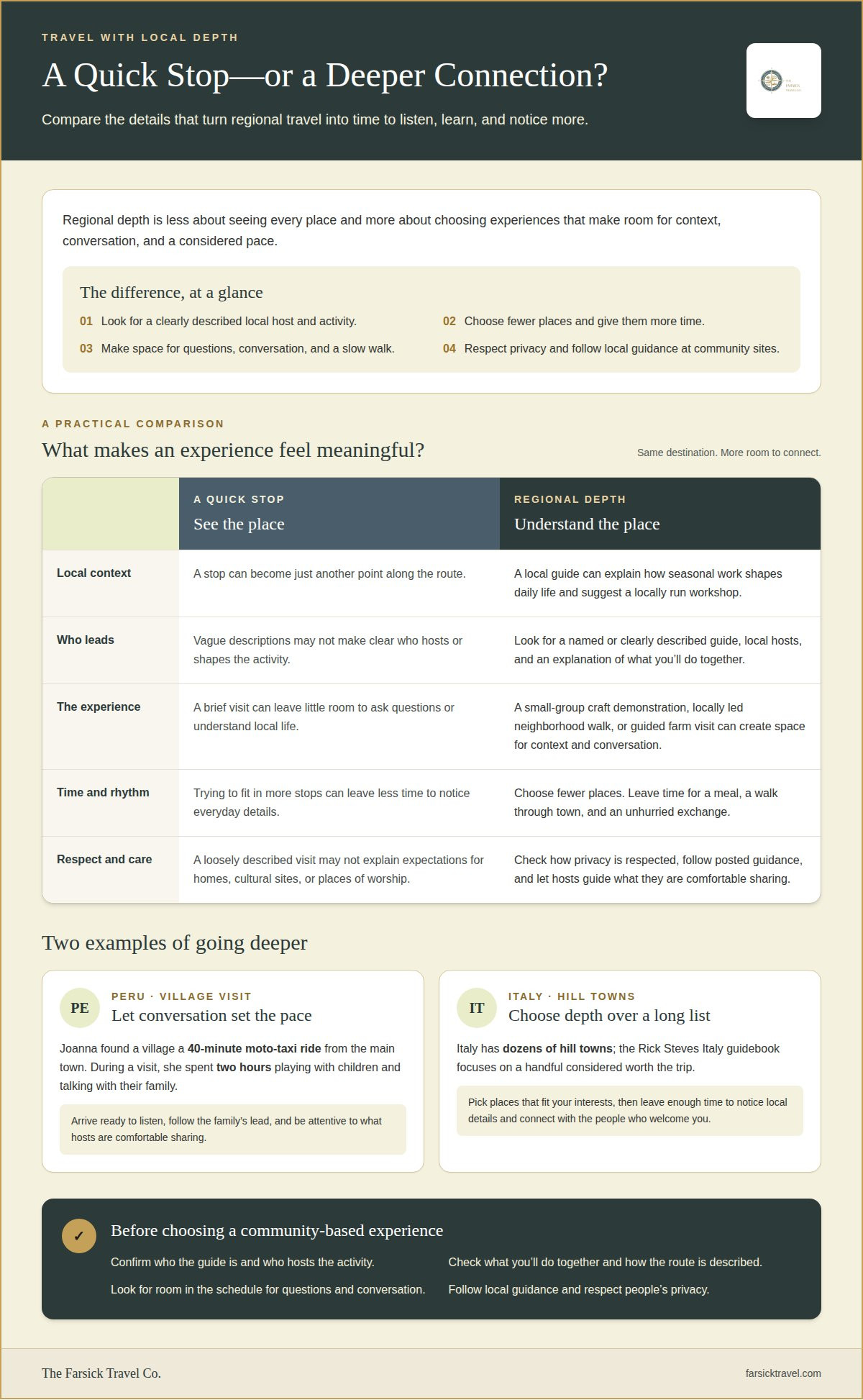
Local knowledge can change what you notice and how you spend your time. In a small mountain community, for example, a guide might explain how seasonal work shapes daily life, then suggest a locally run workshop. That context turns a stop into a conversation, rather than another photo along the route. Leave time afterward for a meal or an unhurried walk.
Look for local guides through community visitor centers, locally run accommodations, or cultural organizations. Seek descriptions that identify the guide, explain the experience, and show how local people shape it. A guided farm visit, for example, can offer a closer look at regional food traditions than a quick stop at a souvenir shop.
Permits, entry documents, and local rules depend on the destination, your circumstances, and planned activities. Review current information from the relevant government or land-management authority, then check access details for each place on your route. A protected natural area and a community cultural site may have different visitor guidance.
To find meaningful experiences and avoid tourist traps, look for specific descriptions of who hosts an activity and what you’ll do together. A small-group craft demonstration or a locally led neighborhood walk gives you a clearer sense of the experience than vague promises of an “authentic” visit. Notice whether the schedule also allows time for questions and conversation.
Regional depth often comes from choosing fewer places and understanding them more fully. Spend a morning at a local market, for example, then leave the afternoon open for a nearby community event or a slow walk through town. Vendors arranging produce and the scent of warm bread can make a lasting memory, without another long transfer.
Before choosing a community-based tour, read how the guide, route, group format, and local hosts are described. Consider whether the experience respects people’s privacy and gives visitors clear guidance at homes, cultural sites, or places of worship. These details help you arrive thoughtfully and make the experience more meaningful.
When regional context would help bring your route together, consider custom travel planning shaped around local connection and a considered pace.
In Peru, Joanna found a village a 40-minute moto-taxi ride from the main town. During a visit to a village in Peru, Joanna spent two hours playing with children and talking with their family. Encounters like this can make time spent beyond the main town feel personal, especially when visitors arrive ready to listen and follow the family’s lead. Allow space for conversation rather than treating a visit as a quick stop, and be attentive to what the hosts are comfortable sharing.
Italy has dozens of hill towns, while the Rick Steves Italy guidebook focuses on a handful considered worth the trip. That contrast offers a useful reminder: regional depth doesn’t mean trying to see every place. Choose locations that suit your interests, then leave enough time to notice local details and connect with the people who welcome you.
3. Personalized trip-planning process
A thoughtful itinerary starts with your reasons for going, not a list of famous stops. Write down the experiences you want, such as a quiet coastal walk, a cooking class, or time to sketch in a village square. Then note your preferred pace, comfort with unstructured time, and practical needs. Those details give the route a personal center.
Start searching three to four months in advance to help preserve a wider choice of options. Use Google Maps to pin your accommodation first, then treat it as an anchor for nearby plans. Group places within the same neighborhood into walkable days, rather than crossing a city repeatedly. A market visit, small museum, and leisurely lunch can make one grounded day.
Shape the first draft around three decisions:
- Choose one main experience for each day, such as a trail or workshop.
- Cluster nearby stops and leave open time for meals and discoveries.
- Keep a flexible alternative for weather, closures, or changing energy.
For example, a stay in a mountain town could pair a morning walk with a long afternoon close to your lodging. That structure protects time for rest and lets you notice the place beyond its headline attractions. Trust your preferences when they differ from a packed itinerary. A slower day may suit you better.
Review practical details alongside the atmosphere. Check journey times between locations, opening information for planned activities, and how each day begins and ends. If a remote outing depends on a local connection, allow for delays instead of building the next activity around a tight arrival. That adjustment can change the whole rhythm.
Searching for the perfect itinerary can become a project in itself. An average person spends 15-30 hours planning a trip, so decide which parts you want to shape yourself and where focused planning would help. Keep a short list of non-negotiables, then remove stops that add travel time without adding meaning. You don’t need to prove yourself by fitting everything in.
Finish by reading the itinerary as a sequence, not a checklist. Imagine waking, traveling, eating, and resting each day. If the transitions feel strained, move a stop or add breathing room. The best plan gives each experience enough time to land.
4. Budget and booking responsibilities
A useful travel budget separates planning work from trip expenses. A custom itinerary’s fee depends on destination complexity, trip length, research depth, and support scope; the amount is given after a quote request. Keep that planning cost distinct from lodging, meals, local transport, guides, and activities in your destination country.
Clarify the planner’s role before work begins. The agreement should say whether they research options, prepare recommendations, make reservations, or leave bookings to you. It should also explain who pays each supplier, how changes are handled, and what happens if a reservation needs adjusting. Clear roles prevent an itinerary from looking fully booked when it’s only a set of suggestions.
For each proposed experience, record its cost category and booking status. A village cooking session, for example, may need a direct reservation, while a self-guided walk may only require route details. Mark each item as recommended, reserved, or still to arrange. That simple distinction helps you see what remains before departure.
- Separate the planning fee from expenses paid to local businesses.
- Note the reservation method and payment recipient for each activity.
- Keep confirmation details beside the matching itinerary entry.
- Set aside flexibility for transport changes or weather-dependent plans.
Ask how recommendations balance comfort, local character, and cost. A quiet inn near a trail may suit your rhythm better than a central property requiring extra daily transfers. Where local culture is part of the experience, a family-run meal or community-led walk may offer more meaning than an expensive stop designed mainly for visitors.
Booking responsibilities matter most when a trip includes several independent suppliers. If a remote guide and a locally run guesthouse require separate reservations, for example, clarify who contacts each one and who receives confirmation. Keep receipts and cancellation terms with your travel documents. Don’t assume an itinerary document itself confirms a booking.
Before approving a final plan, compare each day’s activities with the amount you’ve set aside. If an experience stretches the budget, ask whether a simpler alternative serves the same purpose. A slower afternoon in town can replace another paid excursion, leaving more room for an unhurried meal or spontaneous conversation. The aim is a considered journey, not a packed list of purchases.
5. Planning for safety and solo-travel loneliness
Solo travel can feel steadier when each day has a few dependable touchpoints. Choose accommodation with a clear arrival process, save its address, and plan how you’ll reach it before starting an unfamiliar outing. If a walk or local event runs later than expected, you’ll already know your return route. That simple structure leaves more attention for the experience itself.
For outdoor plans, set a personal turnaround point before you begin. Note where the route changes direction, where you can pause, and which alternative feels manageable if your energy shifts. Keep essentials together in one day bag, including any medication you need, water, and a small light. A prepared bag makes it easier to leave without last-minute scrambling.
Build a communication routine that fits the trip. Tell a trusted friend which activity you’re doing and when you expect to finish, then send a short update afterward. For places with limited service, agree on a simple plan for when you can reconnect. This gives someone at home useful context without requiring constant phone checks.
Loneliness can arrive in the quiet gaps, often after a full day of exploring. Give those moments a little shape: book a locally led class, choose a café where you can linger, or plan an evening call with a friend. A familiar ritual, such as writing a few notes before bed, can help the day feel complete without turning every hour into an appointment.
For a remote itinerary, avoid stacking unfamiliar transitions. An arrival, a long transfer, and a late activity can leave little room to respond if plans shift. Instead, keep the first evening simple, then begin exploring after you’ve settled in. Have a low-effort option in mind, such as a nearby meal or short walk, for days when the original plan no longer feels right.
Connection doesn’t have to mean constant company. A solo traveler might enjoy a shared workshop in the morning, then spend the afternoon independently. Choose social settings that feel natural to you, and leave enough open time to notice how you feel. That balance can make solitude restorative rather than isolating.
Plan Your Trip with The Farsick Travel Co.
The Farsick Travel Co. helps turn off-the-beaten-path ideas into journeys shaped around your interests and pace. Custom Travel Planning brings destination research, practical logistics, accommodation recommendations, and activity coordination into a considered itinerary. It’s a useful fit when you have a place in mind but want help making the days feel connected rather than crowded.
For a trip centered on movement and restoration, Signature Hiking & Yoga Retreats bring hiking and yoga together. Solo Travel Experiences support travelers seeking an independent escape with a thoughtful itinerary. If learning is part of your reason for going, a Skillcation can make a skill or personal interest part of the journey.
Planning for two or a group calls for a different kind of care. Proposal & Honeymoon Planning helps couples shape a celebration around the experiences they value, while Bachelorette Party Planning gives a group a shared trip with room for individual preferences. Custom planning can also support intentional group travel, balancing time together with space to explore at your own pace.
Begin with the feeling you want the trip to hold: quiet, discovery, connection, or a little of each. Then consider the setting, activities, and amount of structure that would help bring that intention to life. A few clear preferences can give the itinerary a strong starting point without requiring every detail in advance.
Whether you’re imagining a solo escape, a shared celebration, or time outdoors, choose the planning approach that fits your reason for traveling. Thoughtful details can help each day flow naturally, leaving room for meaningful encounters and unhurried moments.
Let Your Next Journey Take Shape
The right off-the-beaten-path travel planner makes room for what matters to you, rather than simply filling a calendar. Let your next decision begin with a feeling you want to follow: the quiet of a forest path, the warmth of a long meal, or the clarity that comes from time away. From there, choose a pace and sense of place that feel genuinely yours.
You don’t need every detail settled before imagining what comes next. A destination, an interest, or a wish to travel differently can be enough to begin shaping a thoughtful journey. The Farsick Travel Co. can help bring those first ideas into focus and design a trip with intention.
Take the next step at your own pace. A meaningful journey starts with curiosity, and there’s room for yours to unfold.
Frequently Asked Questions
What is an off-the-beaten-path travel planner?
An off-the-beaten-path travel planner designs trips beyond familiar tourist routes, aligning destinations with your interests and comfort. The work can include researching local experiences, organizing practical logistics, and clarifying who makes each reservation. A traveler seeking quiet nature and local food, for example, might build a journey around a less-visited area, with time for outdoor exploration and community-led experiences.
How can I plan an off-the-beaten-path trip step by step?
Begin by choosing the kind of experience you want, such as a wilderness stay, a cultural workshop, or a slower-paced coastal visit. Select a destination that fits, then map the main transport links and lodging before adding activities. Check access and seasonal conditions, leave breathing room between plans, and prepare a backup for key outings. Finish by clarifying reservation responsibilities and saving essential details offline.
How can I verify safety, accessibility, and local travel advisories for remote destinations?
Use current advisories from official government sources, then consult the relevant park authority, transport operator, or accommodation for local access and accessibility details. Compare information across the places on your route, since conditions can differ between a town and a remote trail. For a mobility need, ask about surfaces, steps, transfers, and accessible facilities in concrete terms before finalizing the day’s plans.
How much does off-the-beaten-path travel typically cost compared with popular destinations?
There’s no reliable single comparison: a quieter destination can cost less or more, depending on transport access, lodging, season, guide services, and activity choices. Remote locations may require additional local transfers, while a longer stay in one base can reduce frequent travel. Compare itemized estimates for the same trip length and comfort level, separating planning costs from payments for accommodations, transport, meals, and experiences.
What risks should I consider when traveling to remote or less-visited places?
Consider limited phone coverage, changing weather, fewer transport connections, and longer distances to services. Local conditions may also affect trail access or operating schedules. Reduce uncertainty by saving maps and lodging details offline, carrying essentials suited to planned activities, and sharing your itinerary with a trusted person. Follow local guidance and avoid restricted areas; a flexible alternative can help if a route or service changes.
Article by
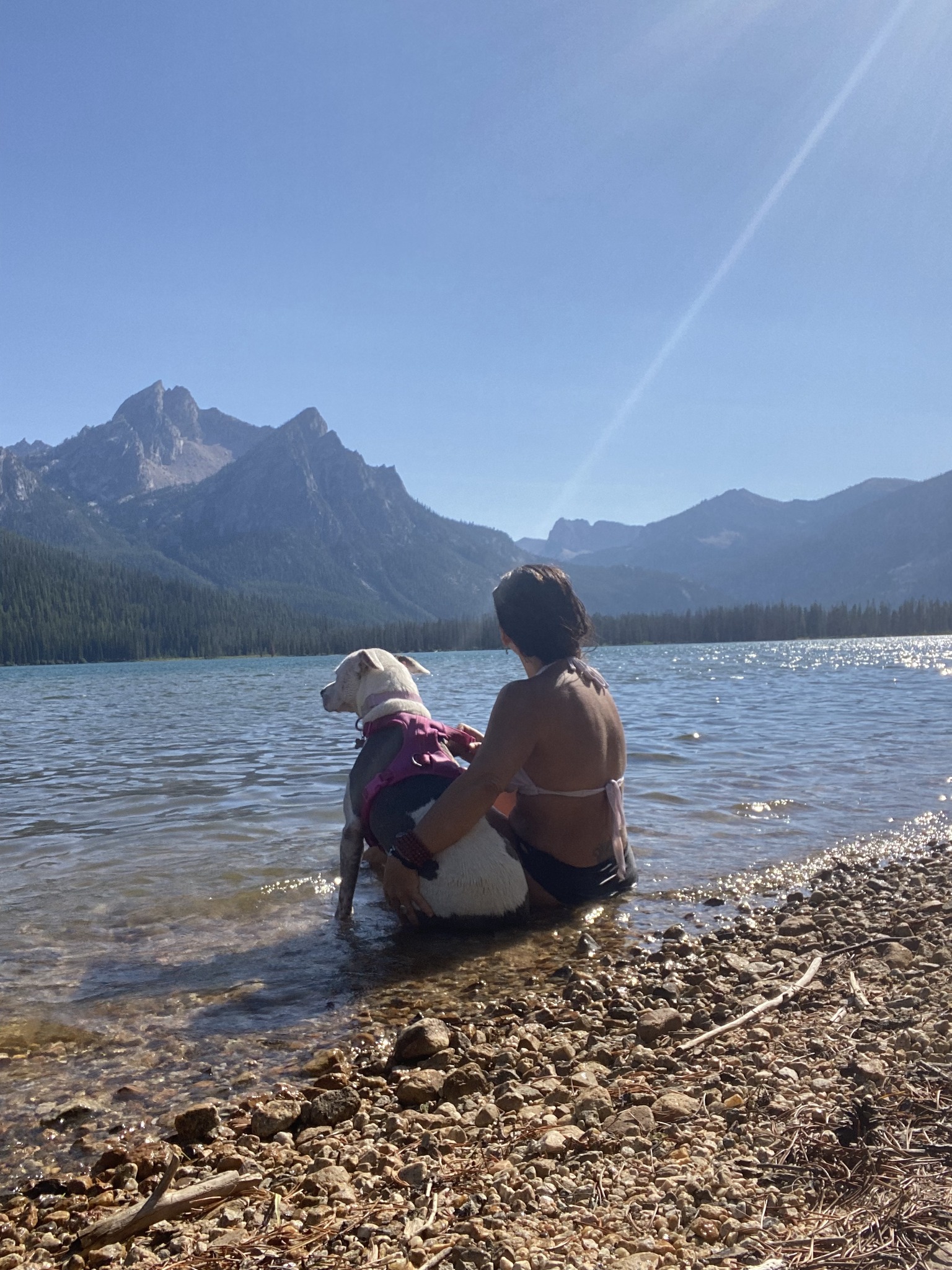
Ursula Akin
Ursula Akin created The Farsick Travel Co. to help travelers step away from rigid, multi-stop checklists and step into intentional, deeply rooted experiences. Specializing in custom travel design, solo escapes, and curated retreats, Ursula combines local insights with leave-no-trace ethics to turn wanderlust into seamless, unforgettable journeys.
Disclaimer
The information provided on this website and within our articles is for general informational and inspirational purposes only. While we make every effort to ensure accuracy regarding travel logistics, recommendations, and local details, conditions can change rapidly. Readers are encouraged to verify current travel requirements, weather, safety advisories, and local regulations independently. The Farsick Travel Co. is a travel design and curation service and is not responsible for any actions, changes, or incidents occurring during independent travel.


