

If you’re too busy to plan vacation details between work, care, and everyday responsibilities, even a hopeful idea can become another unfinished task. Endless choices about destinations, places to stay, transport, and activities can make deciding how to spend your time away feel like work.
Getting help with the logistics doesn’t mean handing over the meaning of your trip. A thoughtful travel planner uses your preferences, priorities, and reasons for getting away to shape the journey. The aim isn’t to pack every day. It’s to create a trip with room to breathe, connect, and discover.
In this article, you’ll learn when custom planning can help turn a vague wish into a personal itinerary, and what to look for in a planner who listens before recommending. We’ll consider how transport, accommodations, and activities can fit your preferred rhythm, whether that means a quiet solo escape, time on a trail, or unhurried afternoons. The logistics can be carefully coordinated while the trip remains yours.
Key Takeaways
- If you’re too busy to plan vacation details, start by identifying how you want the time away to feel, not by building a checklist.
- Custom planning can coordinate transport, accommodations, and activities while keeping meaningful choices in your hands.
- Compare DIY planning with professional support based on your available time, trip complexity, and confidence. A planner isn’t necessary for every getaway.
- Share a few essentials, such as your priorities, preferred pace, and broad travel ideas, to begin without preparing a finished itinerary.
- Consider whether custom travel planning or a curated experience from The Farsick Travel Co. fits the kind of journey you have in mind.
Too Busy to Plan? Start With How You Want to Feel
You can want time away and still have no energy left to compare destinations, read reviews, and coordinate details. When work and everyday responsibilities already fill your attention, vacation research can feel like another task on a crowded list. If you’re too busy to plan vacation logistics, pause before opening another tab. First, picture what you want the time away to give you.
A restorative trip doesn’t need to be measured by how many places you see. It might mean waking without an alarm, walking a quiet trail, or sharing a long meal with someone you love. The concept of taking a vacation is rooted in stepping away from ordinary routines. Your version can be shaped around what feels meaningful now, not a checklist of what a traveler is “supposed” to do.
What kind of break would feel restorative right now?
Name what you want more of and what you need less of. More quiet, time in nature, connection, or learning? Less rushing, screen time, or decision-making? These answers can guide your trip before you settle on a destination.
Consider your mobility, energy, travel companions, and comfort preferences, too. They’re useful filters, not limitations. A morning walk followed by a slow afternoon for reading or a locally guided experience may feel richer than squeezing in several stops. Leave room for weather, rest, and unplanned discoveries. An open hour isn’t wasted time; it can be part of the experience.
Why vacation research can become another job
One search leads to another: accommodation options, transport connections, activity recommendations, opening details, and reviews that don’t always agree. Each choice affects the next, and soon you’re managing a web of tabs instead of imagining the trip. That friction can make a hoped-for break feel surprisingly far away.
Separate the decisions that need your input from the coordination you could handle with support. You might want to choose the overall feel, preferred pace, and experiences that matter most. Comparing suitable stays, coordinating transport, and arranging activities can take research off your plate while keeping those personal choices yours. A custom plan should start with your priorities, not assume you want every hour filled.
Before researching, jot down three essentials: how you want to feel, what you’d like to do, and what you want to avoid. That short brief gives you a useful starting point. To see how this collaborative approach can work, explore custom travel planning with The Farsick Travel Co.
How a Travel Planner Simplifies Your Vacation To-Do List
Custom travel planning is collaborative itinerary design, not a faceless booking engine. You share what matters, from a quiet pace and comfortable stays to time outdoors or meaningful local activities. A planner can use those priorities to shape a coherent journey and coordinate key moving parts, so you aren’t left stitching together disconnected recommendations.
The difference is personal fit. A generic list may offer plenty of ideas, but it won’t necessarily consider how long you want to stay in one place, what kind of days restore you, or how transport and activities fit together. Custom planning starts with your preferences, then builds a trip around them rather than asking you to adapt to a preset package.
Which parts of vacation planning can you delegate?
Depending on the planning support you choose, research and coordination can help turn your preferences into a workable itinerary. This may include organizing the flow between places, coordinating accommodations and transport, and shaping activities around your interests. The goal is to make the pieces work together, not fill every open moment.
- Research: Narrow options according to your interests and practical preferences.
- Itinerary flow: Balance travel between places with time to settle in and unwind.
- Stays and transport: Coordinate these elements as part of the broader trip plan.
- Activities: Curate experiences that reflect your priorities, whether that’s time in nature, learning, or connection.
You remain part of the process. A planner can organize the moving parts, but you should still have a say in meaningful decisions and review what is proposed. Ask what coordination is included and which choices or arrangements remain yours, since the details vary by service. Clarifying the scope helps prevent assumptions about reservations or other arrangements.
What should stay personal to the traveler?
Your purpose, pace, comfort needs, and interests are the heart of the brief. Before planning begins, share what you’re hoping to feel, how active you want your days to be, and where you need breathing room. Be clear about budget expectations and non-negotiables, too. Those boundaries help a planner make useful recommendations instead of sending you another long list to sort through.
A custom itinerary should feel considered, not crowded. That might mean a gentle start, one central experience, and space to linger rather than hurry on. If you’re too busy to plan vacation details, collaboration can reduce research time without taking your voice out of the process. Explore custom travel planning with The Farsick Travel Co. to see whether this approach fits.
DIY Vacation Planning or a Custom Planner: How to Decide What Fits
There’s no single right way to plan a trip. The best fit depends on how much time you have, how many details need coordinating, how confident you feel making choices, and how much support you want. A planner isn’t necessary for every getaway. Choose an approach that leaves you feeling prepared, not depleted.
When planning it yourself may be the right choice
DIY planning can feel satisfying when you have a clear destination, a flexible schedule, and only a few moving parts. If you enjoy comparing options and have time to coordinate the details, organizing a simple trip yourself may be a pleasure. Pay attention to your energy: is the research helping you look forward to the journey, or has it become another obligation you’re avoiding?
When professional planning may be worth considering
Consider support if you’re short on planning time, juggling several preferences, coordinating multiple logistics, or shaping a trip around a meaningful milestone. Nature-focused, learning-centered, or restorative journeys may benefit from a thoughtful sequence that balances activities and travel time with room to pause. If you’re too busy to plan vacation details, a custom planner can help organize the practical pieces while you stay involved in personal decisions.
Use this comparison to decide where you’d like to spend your effort:
Research and options
DIY: You search, compare, and narrow the choices.
Custom planning: A planner researches and shapes options around your stated priorities; you guide the direction.
Itinerary flow
DIY: You connect activities, travel between places, and downtime.
Custom planning: A planner helps organize the sequence; you decide the pace and what matters most.
Coordination
DIY: You manage accommodation, transport, and activity details.
Custom planning: Coordination can be part of the itinerary design, with the scope clarified before you proceed.
Concerned that hiring a planner means giving up control? It shouldn’t. Collaboration works best when you share your comfort needs, activity preferences, budget expectations, and non-negotiables, then review the proposed direction. Your choices set the boundaries; planning support helps connect them into a coherent journey.
Think of the decision as dividing the work, not handing over ownership. You might plan a familiar, uncomplicated escape yourself and seek help for a more layered trip. The value of custom support is less time spent coordinating and more confidence that the details reflect the experience you want.
How to Get Vacation Planning Help Without Creating More Homework
You don’t need to arrive with a finished itinerary, saved posts, or every detail decided. A short brief can give a planner enough direction to understand what you’re hoping for, what matters practically, and what you’d rather leave open. If you’re too busy to plan vacation details, keep the handoff simple.
What to share in an initial travel-planning conversation
Start with the reason for the trip and the feeling you hope to bring home. Then add a few essentials. Rough answers are fine; the aim is to provide a compass, not a complete route.
- Timing: Share your preferred travel window and how flexible it is.
- Travelers: Note who’s going and any needs or preferences that shape the experience.
- Rhythm and interests: Describe whether you’re drawn to nature, learning, local connection, rest, or a blend.
- Comfort and limits: Mention activity levels, mobility needs, budget expectations, and practical boundaries.
- Must-haves and no-thank-yous: Name experiences you’d love, along with anything you want to avoid.
You can share a broad idea, such as wanting time outdoors with unhurried afternoons, without choosing specific trails or activities. That’s enough to begin the conversation. Use the custom trip planning inquiry form to outline the essentials without building the itinerary yourself.
How to keep the itinerary thoughtful and practical
As ideas take shape, protect the pace. Leave breathing room between activities instead of stacking stops across every day. A morning outside followed by a quiet afternoon can offer more space for presence than a schedule that treats every gap as something to fill.
For a destination you’re considering, check conditions that could affect the experience before you depart. Look into seasonal weather, daylight, access information, and the best time of day for planned activities. These details can influence comfort, crowds, and what to pack. Recheck reliable local sources closer to travel, since conditions and access can vary.
For outdoor plans, ask about local guidance where relevant, follow established routes, respect wildlife by observing from a distance, and pack out what you bring in. These choices can help you enjoy a place while treating its natural surroundings with care.
Share your trip priorities through the inquiry form
Turn “Too Busy to Plan a Vacation” Into a Journey That Feels Like Yours
Getting help with planning doesn’t mean giving someone else the meaning of your trip. You bring the purpose, preferences, and boundaries; a planner helps shape them into a coherent itinerary and coordinate the moving parts. The result can feel less like a schedule to keep up with and more like a rhythm you’re looking forward to, with time to explore, connect, and pause.
The Farsick Travel Co. offers custom travel planning, coordinating transport, accommodations, and activities around individual goals. The right experience depends on what you want from your time away, not on choosing the busiest itinerary or the most popular format.
Which curated travel experience might fit your next chapter?
If you have a personal idea but want help bringing its pieces together, custom travel planning can shape an itinerary around your interests and preferred pace. For a journey with a particular focus, consider whether one of these options speaks to what you’re seeking:
- Solo travel experiences for independent time and discovery at your own pace.
- Signature hiking and yoga retreats for a nature-centered mix of movement and restoration.
- Skillcations for travel shaped around learning something new.
- Proposal and honeymoon planning for a meaningful milestone, with details tailored to your preferences.
- Bachelorette party planning for an intentional group getaway built around shared interests.
These are possibilities, not prescriptions. A restorative trip might mean an active morning followed by an open afternoon; a group journey might leave space for shared experiences and individual downtime. The choices that matter are the ones that feel right for you. If you’d like to explore a custom itinerary, begin by sharing your priorities.
Take one clear next step toward time away
You don’t need every detail decided before reaching out. Bring your broad idea, preferred pace, and practical needs. A conversation can help clarify what planning support makes sense and which decisions you’d like to keep close. If you’re too busy to plan vacation logistics alone, start with the simplest next step that feels comfortable.
Schedule a conversation about your custom trip
Prefer to write first? Contact The Farsick Travel Co. to share what you have in mind.
Make Space for a Journey That Feels Like Yours
If you’re too busy to plan vacation details, begin with what you want the time away to give you. A clear sense of purpose and a considered pace can guide the choices, while a custom planner helps reduce the work of coordinating transport, accommodations, and activities.
The Farsick Travel Co. creates personalized itineraries around individual goals and preferences. Options include nature-based adventures, solo travel, hiking and yoga retreats, skillcations, and milestone journeys. The right plan isn’t the one with the most stops. It’s the one that leaves room for rest, connection, and discovery.
You can stay involved in the decisions that matter while getting support with the moving parts. Your next step doesn’t need to be a finished itinerary, just a conversation about what you hope to experience and how you want the journey to feel.
Time away can start with one thoughtful choice. Let that choice lead you toward a trip that feels personal, restorative, and entirely your own.
Frequently Asked Questions
Can a travel planner help if I do not know where I want to go yet?
Yes. You can begin with how you want the trip to feel rather than a specific destination. Think about whether you’re craving quiet, time in nature, cultural connection, learning, or a change of pace. Share your timing, who’s traveling, and any comfort needs, too. A custom planner can use those priorities to help shape possible directions, then work with you as you decide what feels right.
What does a custom travel planner handle for a busy traveler?
A custom travel planner can design an itinerary around your preferences and coordinate key trip elements, including transport, accommodations, and activities. The aim is to connect those pieces into a coherent journey rather than leave you to compare options and fit each detail together alone. The planning scope can vary, so clarify what coordination is included and which decisions or arrangements you’ll handle. Your interests and priorities should guide the plan.
How does custom vacation planning work with my preferences and budget?
Custom vacation planning starts with your goals, preferences, and budget expectations. Share what matters most, such as comfortable accommodations, time outdoors, or a slower pace, along with any non-negotiables. A planner can shape itinerary options around that brief and discuss trade-offs if priorities compete. You remain part of the decision-making process. Before moving ahead, confirm the planning scope and how proposed choices fit your stated budget expectations.
Is hiring a travel planner worth considering for a shorter vacation?
It can be, but trip length alone doesn’t determine whether planning support is useful. A short getaway with one familiar stay and few activities may be easy to organize yourself, especially if you enjoy the research. A shorter trip with several preferences, transport details, or a meaningful occasion may still take coordination. Consider the time you have, the complexity involved, and whether planning feels enjoyable or draining.
Can a travel planner create a slower-paced itinerary with downtime?
Yes. Tell the planner how much activity feels comfortable and what kind of downtime helps you recharge. A considered itinerary can leave space between experiences instead of treating every open hour as something to fill. For example, you might want a gentle outdoor activity followed by an unstructured afternoon. Share your energy level, interests, and preferred rhythm early so the plan supports rest as well as exploration.
What should I prepare before contacting a custom travel planner?
You don’t need a finished itinerary. A few notes are enough to begin: your reason for traveling, preferred dates or timing flexibility, who’s coming, interests, budget expectations, comfort needs, and experiences you’d like to avoid. Add any must-haves, such as quiet mornings or time outdoors. If you’re too busy to plan vacation details, these essentials give the planner a useful starting point without turning preparation into another research project.
How can I plan a nature-focused trip while respecting local places and wildlife?
Build responsible choices into the plan from the start. Check current local guidance for trail access, seasonal conditions, and appropriate preparation, then pack for the forecast and planned activities. Stay on established routes where advised, pack out what you bring in, and observe wildlife from a respectful distance. Choose experiences that encourage meaningful local connection without treating communities or natural places as attractions to consume. A planner can help coordinate nature-based activities around your interests.
Article by
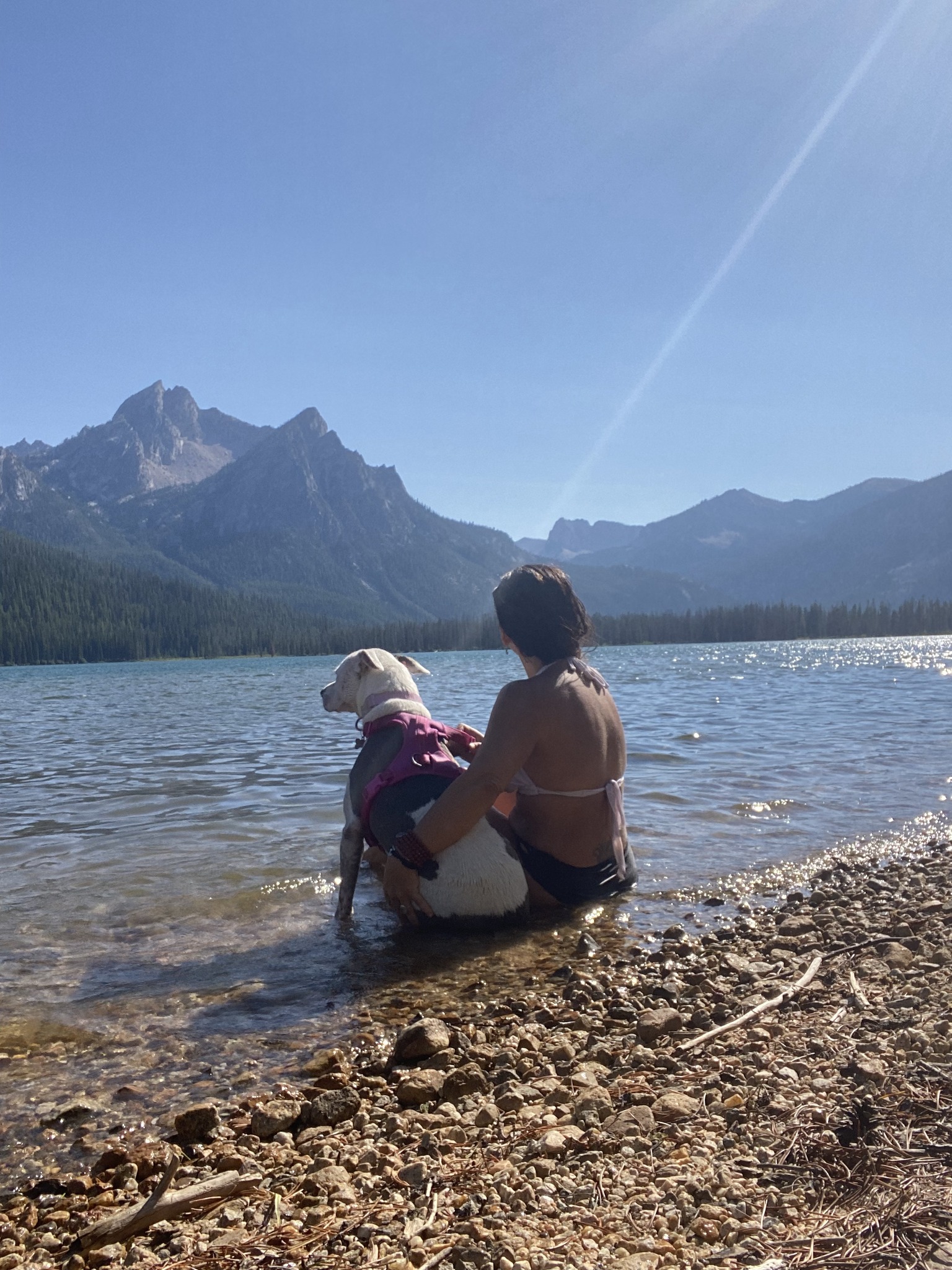
Ursula Akin
Ursula Akin created The Farsick Travel Co. to help travelers step away from rigid, multi-stop checklists and step into intentional, deeply rooted experiences. Specializing in custom travel design, solo escapes, and curated retreats, Ursula combines local insights with leave-no-trace ethics to turn wanderlust into seamless, unforgettable journeys.
Disclaimer
The information provided on this website and within our articles is for general informational and inspirational purposes only. While we make every effort to ensure accuracy regarding travel logistics, recommendations, and local details, conditions can change rapidly. Readers are encouraged to verify current travel requirements, weather, safety advisories, and local regulations independently. The Farsick Travel Co. is a travel design and curation service and is not responsible for any actions, changes, or incidents occurring during independent travel.


